

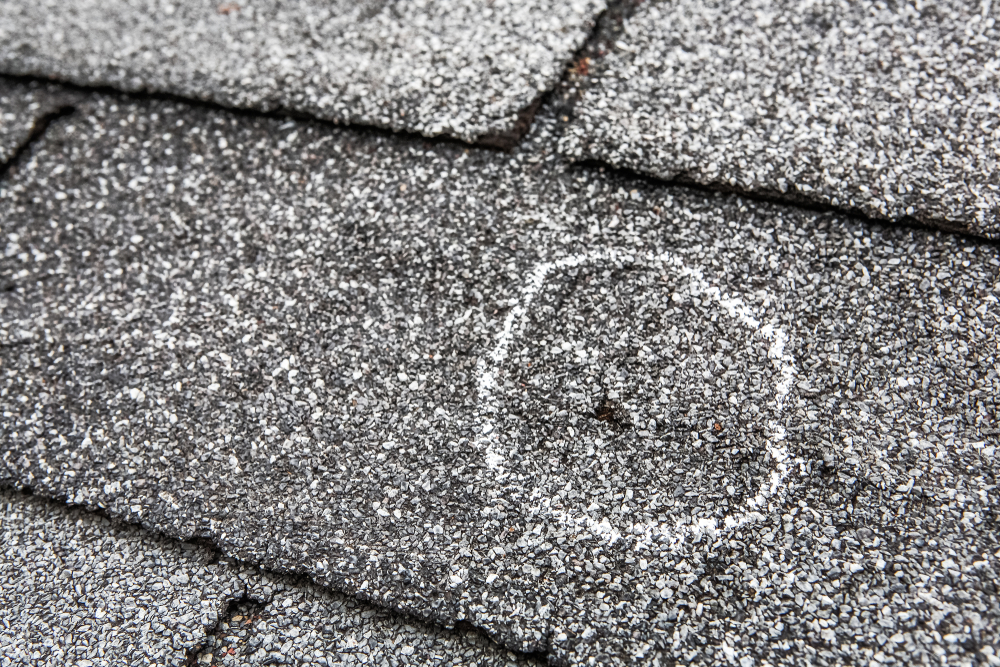
A Denver hailstorm can turn an ordinary afternoon into a rush of roof inspections, insurance calls, estimates, and contractors knocking on the door. Before signing a roofing agreement, Colorado homeowners have specific protections designed to make that process more transparent.
Often called Colorado Senate Bill 38 or the Residential Roofing Bill of Rights, SB 12-038 established requirements for residential roofing contracts and insurance-related roofing work. For Denver homeowners, some of the most important protections involve written contracts, cancellation rights, deposits, insurance deductibles, and how roofing contractors interact with insurance claims.
What local homeowners should know
-
A covered residential roofing project generally requires a written contract before roofing work begins.
-
The contract must disclose important information about the work, costs, contractor, cancellation policy, and other required terms.
-
Colorado law provides a 72-hour cancellation provision after entering the contract and an additional rescission right in certain insurance-denial situations.
-
A roofing contractor cannot offer to pay, waive, or rebate your insurance deductible on a covered insurance-funded roofing project.
-
These protections can be particularly relevant after Front Range hailstorms, when Denver-area homeowners may receive several roofing solicitations within a short period.
What Does Colorado Senate Bill 38 Require From Roofing Contractors?
Colorado Senate Bill 38 requires roofing contractors covered by the law to provide homeowners with a written agreement containing specific information before roofing work begins. The law, enacted in 2012 and now found in Colorado Revised Statutes §§ 6-22-101 through 6-22-105, was designed to establish consumer protections for residential roofing transactions.
Among other items, a roofing contract must state the scope of roofing services and materials, approximate service dates, approximate costs based on known damage, and contractor contact information. When applicable, it must also identify the contractor’s surety and liability coverage insurer.
The agreement must explain the contractor’s cancellation and deposit-refund policies. It must include a rescission clause allowing the property owner to cancel within 72 hours after entering the contract and obtain a full refund of the deposit.
For homeowners from Washington Park and Park Hill to Lakewood and Aurora, that written documentation provides an opportunity to understand what they are agreeing to before work starts.
Quality Roofing Co. works with homeowners in the Denver area, and we encourage property owners to carefully review the scope and terms of any roofing agreement before authorizing work.
What Does SB 38 Say About Deposits and Payments?
SB 38 requires a roofing contract to state in bold type that homeowner payments are held in trust until roofing materials have been delivered to the property or the contractor has performed a majority of the roofing work. This provision gives Colorado homeowners an important protection when money changes hands before a project is completed.
That matters after severe weather along the Front Range, when demand for roof repairs can increase and homeowners may feel pressure to make quick decisions.
Before paying a deposit, confirm what the contract says about cancellation and refunds. Keep copies of the signed agreement, payment records, inspection documentation, insurance correspondence, and any changes to the scope of work.
Can I Cancel a Roofing Contract Under Colorado SB 38?
Colorado homeowners have multiple cancellation protections under SB 38, although the exact right depends on the circumstances. A covered roofing contract must contain a clause allowing the homeowner to rescind within 72 hours after entering the agreement and receive a full refund of the deposit.
There is another important protection for insurance-funded roofing work. If a homeowner receives written notice that the property and casualty insurer has denied the roofing claim in whole or in part, Colorado law generally permits the homeowner to rescind the contract within 72 hours after receiving that notice, subject to statutory exceptions.
When that insurance-related rescission right applies, the statute also addresses how cancellation notice may be delivered and generally requires qualifying payments or deposits to be returned within ten days. Contractors may retain amounts allowed by law for qualifying work actually performed.
Because individual contract and claim circumstances can differ, homeowners involved in a dispute should seek appropriate legal guidance rather than relying on general roofing information as legal advice.
Can a Denver Roofer Waive My Insurance Deductible?
No, a roofing contractor cannot advertise or promise to pay, waive, or rebate all or part of an applicable insurance deductible when the roofing work is being paid from property and casualty insurance proceeds. Colorado Revised Statutes § 6-22-105 expressly prohibits this practice.
That is an especially useful rule to remember during Denver’s hail season.
An offer such as “we’ll cover your deductible” should not be treated as a routine discount on an insurance-funded roof. The statute also provides potential consequences for violations, including circumstances in which an insurer does not have to consider the contractor’s roofing estimate.
Homeowners should expect the financial terms of an insurance-related project to be clearly explained rather than built around a promised deductible waiver.
Why Does This Law Matter After Denver Hailstorms?
SB 38 matters after Denver hailstorms because homeowners often need to make expensive roofing decisions while simultaneously dealing with storm damage and an insurance claim. Colorado’s residential roofing protections establish ground rules that remain important even when contractors and property owners are moving quickly.
Hail and severe thunderstorms can affect neighborhoods throughout Denver County and the surrounding metro area. Properties in areas such as Capitol Hill, Montbello, Highlands, and Washington Park also vary considerably in roof age, design, slope, and materials.
After a storm, homeowners can safely document visible conditions from the ground, photograph damage to gutters or other accessible exterior components, and review their insurance policy.
Avoid climbing onto a wet, steep, or potentially damaged roof. A professional roof inspection can determine whether roofing materials show damage that warrants repair, further evaluation, or an insurance claim.
What Warning Signs Should Homeowners Watch For?
Denver homeowners should watch for both physical signs of roof damage and questionable contracting practices after severe weather. Problems are not always visible from the driveway, so the condition of the property and the terms being offered both deserve attention.
Watch for:
-
Missing, lifted, cracked, or visibly damaged roofing materials.
-
New water stains or moisture appearing inside the attic or living space.
-
Dents or impact marks on gutters, downspouts, vents, or other metal components.
-
Roofing debris appearing around the property after strong winds.
-
Pressure to sign an agreement immediately after a storm.
-
A contract that does not clearly identify the scope, approximate costs, or contractor contact information.
-
An offer to “waive” or “cover” an insurance deductible.
-
Requests for payment that appear inconsistent with the payment protections stated in the roofing contract.
A warning sign does not automatically establish a legal violation or prove that a roof needs replacement. It does mean the homeowner should slow down and gather more information.
When Should You Call a Professional Roofer?
A professional roof inspection makes sense when a Denver property has experienced significant hail, wind, leaking, missing materials, or other evidence of storm-related damage. Homeowners can perform visual checks from a safe location, but determining the extent of roofing damage often requires direct inspection by someone familiar with roofing systems.
The goal should be documentation and an accurate assessment, not automatically assuming that every hailstorm requires a complete roof replacement.
We can evaluate roofing conditions and explain practical repair or replacement options based on what is actually found.
What Mistakes Should Denver Homeowners Avoid?
The biggest SB 38 mistakes are signing too quickly, failing to read the agreement, misunderstanding insurance responsibilities, and accepting promises that conflict with Colorado roofing law.
Mistake: Signing immediately after a storm.
Consequence: You may commit before comparing the scope, materials, contractor, or terms.
Better approach: Read the complete agreement and understand your cancellation rights.
Mistake: Assuming a deductible waiver is a normal discount.
Consequence: The arrangement may conflict with Colorado law for insurance-funded roofing work.
Better approach: Expect transparent pricing and plan to satisfy your applicable deductible.
Mistake: Treating a roofer as your insurance adjuster.
Consequence: The roles of contractor and insurance professional can become confused.
Better approach: A contractor may discuss repair scope with an insurer when legally permitted, but Colorado law prohibits a roofing contractor from claiming to be or acting as a public insurance adjuster unless appropriately licensed to do so.
A Common Denver Roofing Scenario
A common Denver scenario begins with a strong hailstorm followed by an inspection, an insurance claim, and several roofing proposals. A homeowner may feel pressure to choose a contractor before fully understanding what the insurer will cover.
The better approach is methodical. Document the damage, review the insurance process, obtain a clear roofing agreement, understand the cancellation provisions, and confirm exactly what work and materials are included.
SB 38 does not make every roofing decision simple, but it gives homeowners useful protections during that process.
How Should You Compare Roofing Contractors?
Denver homeowners should compare roofing contractors on written scope, materials, communication, contract terms, and the contractor’s approach to insurance-related work rather than choosing solely on price. A legitimate comparison requires understanding what each proposal actually includes.
Review approximate project timing and cost, materials, contact information, cancellation terms, deposit requirements, and how unexpected damage or scope changes will be addressed.
For insurance-funded projects, be cautious if the primary sales pitch centers on eliminating your deductible rather than explaining the roofing work.
What Areas Do We Serve?
We help homeowners in Denver and surrounding metro communities evaluate roofing needs and understand their options. Depending on service availability, that can include nearby communities such as Aurora and Lakewood as well as properties throughout the broader Denver metro area.
What Can Happen If You Ignore Roof Damage?
Ignoring legitimate roof damage can allow a manageable roofing problem to develop into water intrusion or deterioration of other building components. Denver’s changing weather means a roof damaged during one storm may face additional rain, wind, hail, snow, and freeze-thaw conditions later.
Waiting also can make it harder to distinguish older damage from newer problems.
The appropriate response depends on what the inspection shows. Some conditions may need monitoring or repair, while extensive damage may justify replacement.
FAQ About Colorado Senate Bill 38
Is Colorado Senate Bill 38 still relevant to Denver homeowners?
Yes. The residential roofing requirements created by SB 12-038 are codified in Colorado Revised Statutes §§ 6-22-101 through 6-22-105. They address covered residential roofing contracts, cancellation rights, insurance-funded roofing work, deductibles, and related contractor practices.
Do Denver roofing contracts have to be in writing?
Covered residential roofing contracts must be in writing before roofing work begins and must contain specific information required by Colorado law. Required items include the scope of services and materials, approximate dates and costs, contractor contact information, applicable insurance information, and required cancellation disclosures.
Do I always have 72 hours to cancel a Colorado roofing contract?
The law requires covered contracts to include a clause allowing cancellation and a full deposit refund within 72 hours after entering the contract. Colorado law also provides a separate 72-hour rescission right after certain whole or partial insurance-claim denials. Specific circumstances and statutory exceptions can affect your rights.
Can a Denver roofing company pay my deductible?
No. When roofing work will be paid from property and casualty insurance proceeds, Colorado law prohibits roofing contractors from advertising or promising to pay, waive, or rebate all or part of the applicable insurance deductible. Homeowners should be cautious of deductible-waiver offers following Front Range hailstorms.
Can my roofer negotiate my Denver insurance claim?
A roofing contractor may discuss the scope of repairs with a property and casualty insurer on a homeowner’s behalf when the contractor has a valid contract, but the law prohibits a roofing contractor from claiming to be or acting as a public insurance adjuster unless properly licensed for that role.
What should I do after hail hits my Denver home?
Start by documenting safely visible damage, reviewing your insurance policy, and arranging a professional roof inspection when warranted. Keep photographs, contracts, estimates, and insurance communications together. Before signing a roofing agreement, read the complete scope, costs, cancellation provisions, payment terms, and insurance-related disclosures.
Does SB 38 apply to every roofing job in Colorado?
No. The statute defines the residential properties and roofing services covered by these provisions and contains exclusions. For example, the statutory definition of roofing services excludes work for which compensation is $1,000 or less per contract, and the residential-property definition also contains specific exclusions.
What should I look for before choosing a Denver roofer?
Look for a clear written contract, defined work and materials, understandable pricing, contractor contact information, required cancellation language, and straightforward insurance-related practices. Avoid making a decision based only on post-storm urgency or a promise to eliminate your insurance deductible.
Protect Your Denver Home With a Clear Roofing Plan
Understanding Colorado’s residential roofing law can help you make a more informed decision before signing a contract or beginning storm repairs. We believe homeowners should understand the condition of their roof, the proposed work, and the agreement they are signing.
Get Clear Answers About Your Roof
If hail, wind, or age has left you uncertain about your roof, Quality Roofing Co. can help you evaluate the next step without turning uncertainty into guesswork.