

Tile Roofing Contractor in Denver, CO
Tile roofing offers a distinctive look and long-term durability that stands out from other roofing systems. At Quality Roofing Co., we work as a trusted tile roofing contractor in Denver, helping homeowners install, repair, and maintain tile roofs built for Colorado’s climate. Whether you are planning a new installation or need repairs, our team focuses on quality craftsmanship and long-term performance.
|
A+ Rated Roofing Company with the BBB |
15+ Years of Tile Roofing Experience in Denver |
Colorado Roofing Association Member Since 2010 |
Tile Roofing Built for Longevity
Tile roofs are known for their durability and timeless appearance, but they require proper installation and structural planning to perform well. Materials like clay and concrete tile can last for decades when installed correctly, making them a strong long-term investment for many homeowners.
As experienced tile roofers, we help you evaluate whether tile roofing is right for your home, taking into account structure, slope, and long-term maintenance. Our team focuses on doing the job correctly from the start so your roof performs as expected for years to come.
Our tile roofing services in Denver are designed to deliver durability, weather resistance, and a finished look that stands out.
Tile Roofing Built for Denver’s Climate
Denver’s climate brings a mix of sun exposure, snow, and seasonal storms that can impact roofing systems over time. Tile roofing performs well in these conditions, but only when installed and maintained properly. Proper underlayment, fastening, and ventilation are key to preventing issues and extending the life of your roof.
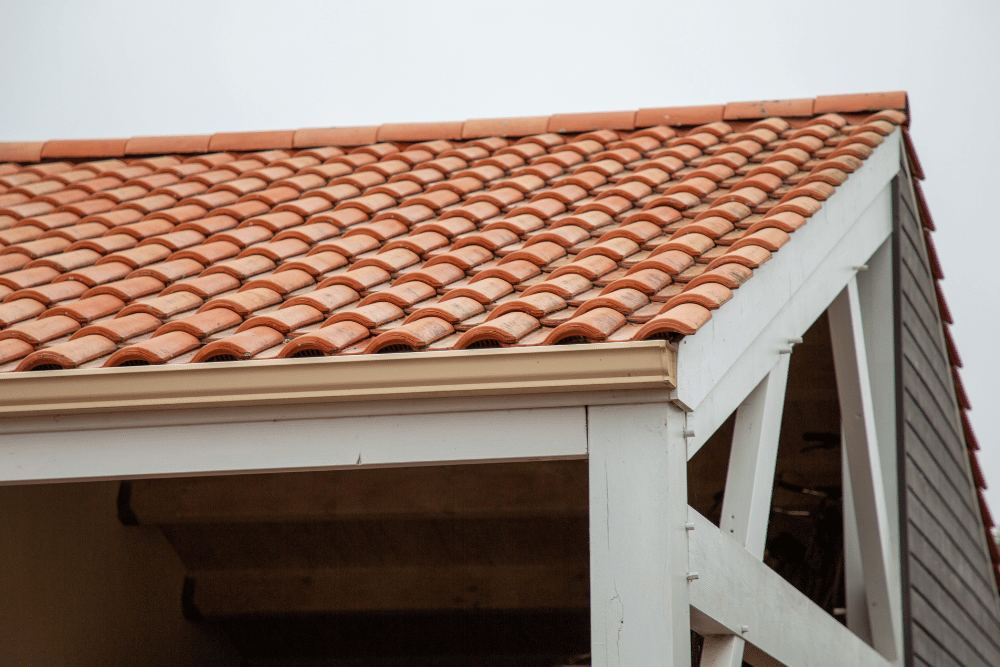
Professional Tile Roof Installation
Proper tile roof installation is critical for long-term performance. We handle everything from structural considerations to underlayment and tile placement, ensuring your roof is installed correctly and built to last.
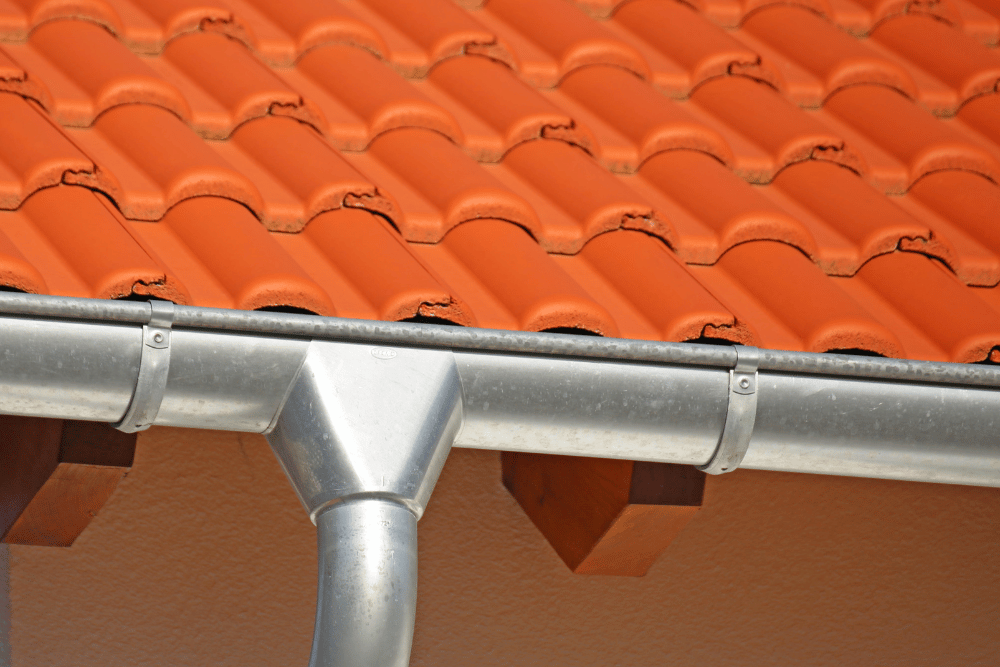
Tile Roof Repair and Maintenance
Tile roofs are durable, but individual tiles can crack or shift over time. We provide tile roof repair services to address damage, leaks, and underlayment issues while preserving the integrity of the overall system.
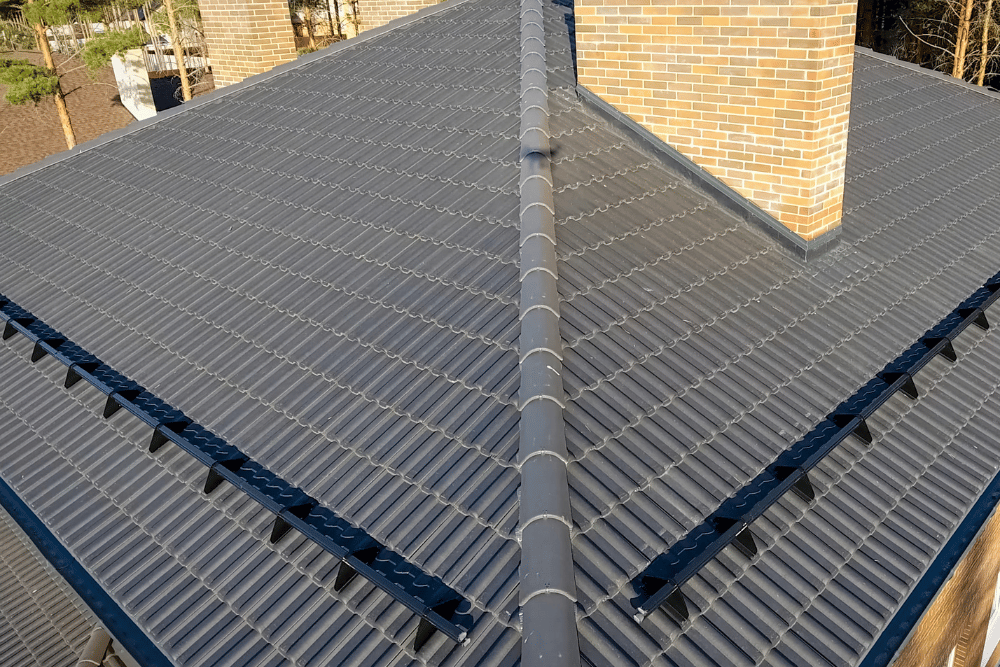
Clay and Specialty Tile Roofing
We work with a variety of materials including clay tile systems. As experienced clay tile roof contractors, we help homeowners choose materials that match both the style of the home and the demands of the environment.
Denver Tile Roofing as a Long-Term Investment
Tile roofing is often chosen for its longevity and durability. While the upfront cost can be higher than other materials, many homeowners find that the extended lifespan and reduced need for replacement make it a worthwhile investment.
Choosing the Right Tile Roofing System for Your Denver Home
Not all tile roofing systems are the same. We help homeowners compare materials, styles, and installation options to find the best fit for their home. Working with a reliable tile roofing company ensures the system is installed correctly and performs as expected.
Why Homeowners Choose Quality Roofing Co.
Homeowners choose us because we combine experience with attention to detail. As a roofing contractor specializing in tile roofing systems, we understand how tile roofs perform in Denver’s climate and what it takes to install them correctly. Our team focuses on clear communication, dependable work, and results that last.
Our Tile Roofing Services in Denver
When homeowners need tile roofing in the Denver metropolitan area, they come to Quality Roofing Co. Our tile roof services include:
- Tile roof installation for new construction and replacement.
- Tile roof repair for cracked, slipped, or damaged tiles.
- Clay tile roof installation and specialty systems.
- Roof inspections and maintenance for tile systems.
- Underlayment replacement and upgrades.
- Leak detection and targeted repairs.
- Storm damage repair and reinforcement.
- Consultation with experienced tile roof specialists.
Frequently Asked Questions
Late spring through early fall is the best general window for tile roof installation in Denver. Dry weather and mild temperatures make it easier to prepare the roof, install underlayment, and place the tiles safely.
The forecast matters more than the month. Underlayment and other installation materials have their own weather requirements, and snow or ice can prevent safe access. If you have broken tiles or an active leak, get the roof checked promptly rather than waiting for the ideal season.
Denver’s sun, temperature swings, and winter moisture test the entire tile roofing system, including the layers you can’t see. A durable tile surface still needs sound underlayment, flashing, and drainage.
- Sun and weathering: Exposed components and finishes age over time.
- Temperature swings: Connections and flashing need to handle repeated heating and cooling.
- Winter moisture: Snowmelt needs a clear path off the roof, and tiles must be suitable for freezing conditions.
We check the complete system when evaluating performance, rather than judging it only by how the tiles look.
Hail can crack or break tiles, while strong wind can loosen or displace tiles when attachment fails. Both leave areas of the roof more exposed to water.
- Hail: Damage varies with impact size, tile strength, and the condition of the roof.
- Wind: Secure attachment and properly finished roof edges help keep tiles in place.
- After a storm: Broken tiles, shifted rows, and damaged flashing deserve an inspection.
A few broken tiles don’t automatically mean a full replacement. We check the damage and the layers below before recommending repairs.
Tile roofing performs well in Denver’s freeze-thaw winters when the tiles are rated for cold climates and the roof is installed with winter conditions in mind. Choosing the right product is essential.
- Tile suitability: Use clay or concrete products with documented freeze-thaw suitability. For clay, ASTM C1167 Grade 1 is a useful specification to discuss with your roofer.
- Moisture: Water that enters vulnerable tile material or cracks can expand as it freezes and cause further damage.
- Roof details: Underlayment, flashing, and drainage must manage snowmelt that reaches beneath or around the tiles.
Not every tile product is intended for the same climate. We check the manufacturer’s requirements before recommending a system.
The tile you choose, the complexity of your roof, and any structural work have the biggest effect on cost. Tile installation also takes careful handling and detailed work around roof edges, valleys, and openings.
- Materials: Clay, concrete, profiles, and finishes come at different prices.
- Structure: A home switching from lighter roofing needs its ability to support tile evaluated.
- Preparation: Removing old roofing, repairing decking, and replacing underlayment add work.
- Installation: Steep slopes, custom cuts, flashing, and difficult access affect labor.
Your estimate should cover the full system, including the materials beneath the tile.
Yes, tile roofing is a worthwhile investment for homeowners who want a distinctive look and a roof covering built for long service. It makes the most sense when your home’s structure is suitable and you plan to enjoy the benefits over time.
Tile usually costs more upfront than asphalt shingles, and it still needs maintenance. Underlayment, flashing, and individual damaged tiles may need work before the remaining tiles wear out. Include those costs when comparing its long-term value.
Companies charge different prices because they may be quoting different tile products, underlayment, installation details, or amounts of repair work. Labor also varies with the roof’s shape and how much cutting and fitting it needs.
- Tile specifications: Compare the material, profile, finish, and suitability for Denver’s climate.
- Underlying work: Check for decking repairs, underlayment replacement, and new flashing.
- Project scope: Confirm whether the quote includes removal, disposal, and any needed structural assessment.
- Coverage: Review workmanship and product warranties.
Ask each company to explain what the price includes so you’re comparing equivalent work.
Repair your current roof when the damage is limited and the rest is in good condition. Consider replacing it with tile when replacement is needed and you want the appearance and long service life tile offers.
If you already have tile roofing, individual broken tiles or localized flashing problems often have targeted repairs. Failing underlayment may require lifting tiles and replacing the layer beneath them, with sound tiles reused when suitable. Before changing from another material to tile, have the structure checked for the added load.
Hire a pro for tile roof installation and repairs. Tiles are heavy, can break under misplaced foot traffic, and require the right fastening, overlap, and flashing details.
A visible broken tile may also hide damage to the underlayment beneath it. Replacing only the tile won’t solve every leak. An experienced tile roofer can access the area safely, inspect the underlying materials, and match the repair to the existing system.
The main differences are material, profile, weight, finish, and price. Clay and concrete are the traditional choices, with different products available for different roof designs and climates.
- Clay tile: Fired clay products offer traditional shapes and finishes, including options suited to freezing climates.
- Concrete tile: Molded concrete products come in a wide range of profiles and colors.
- Profile: Flat, curved, and interlocking designs create different looks and have specific installation requirements.
- System weight: Check the actual product weight and the building’s capacity rather than assuming every tile option weighs the same.
We compare the product’s climate suitability, your roof’s slope, and the home’s structure before narrowing the choices.
Tile roofing uses overlapping or interlocking tiles to shed rain and snowmelt, with underlayment below to manage water that gets beneath the surface. Flashing directs water away from roof joints and openings.
- Decking and structure: These support the weight of the roofing system.
- Underlayment: This provides an important water-protection layer beneath the tiles.
- Tiles and attachment: Tiles are arranged and secured according to the system’s design.
- Flashing and drainage: These protect valleys, walls, chimneys, and roof edges.
Installation starts with evaluating the roof and preparing the underlying layers before the tiles are placed.
Cracked, missing, or slipped tiles and new water stains inside your home are clear signs your tile roof needs attention. Leaks can also come from flashing or underlayment even when the tiles look intact.
- Visible damage: Broken pieces, gaps, or tiles that have shifted out of position.
- Interior moisture: Ceiling stains or damp areas after rain or snowmelt.
- Recurring leaks: Problems that return after tile repairs may point to damage underneath.
Have the roof inspected without walking on the tiles yourself. An inspection helps determine whether the fix is limited to a few tiles or involves more of the roof system.
A tile roof covering is built to last for decades, so full replacement should be infrequent. The tiles and the materials beneath them don’t necessarily wear out at the same time.
Underlayment or flashing may need replacement while many of the tiles are still sound. In suitable cases, those tiles can be lifted and reinstalled after the underlying work. Base the decision on inspections, recurring problems, and material condition rather than the roof’s age alone.
Putting off needed tile roof work increases the risk of leaks and more expensive damage beneath the tiles. A small broken area can expose the underlayment and allow problems to grow.
- Water intrusion: Moisture can reach decking, insulation, and ceilings.
- Winter damage: Water freezing in existing cracks can worsen the damage.
- Loose tiles: Displaced tiles can become more vulnerable to wind and movement.
Getting the roof checked early gives you a better chance of fixing a limited area before a larger section needs work.
Reliable Tile Roofing Starts With the Right Roofing Company
Tile roofing requires experience, precision, and attention to detail. At Quality Roofing Co., our Denver roofing company provides tile roofing services designed to deliver long-term performance and lasting curb appeal. Whether you need installation or repair, our team is ready to help.