
Summer afternoons along the Front Range can push attic temperatures well above the outdoor air temperature. Many homeowners in Denver focus on upgrading air conditioners or adding insulation, but overlook one of the biggest contributors to high cooling costs. A properly ventilated attic can help reduce heat buildup, improve indoor comfort, and support better energy efficiency throughout the home.
Quick Answer
Attic ventilation helps lower cooling bills by allowing excessive heat and moisture to escape before they build up inside your attic. In Denver’s sunny, high-elevation climate, proper airflow can reduce strain on your air conditioning system, improve indoor comfort, and help protect roofing materials from premature wear.
What Local Readers Should Know
- Attics in Denver can become significantly hotter than the outdoor temperature during the summer because of intense solar exposure at higher elevations.
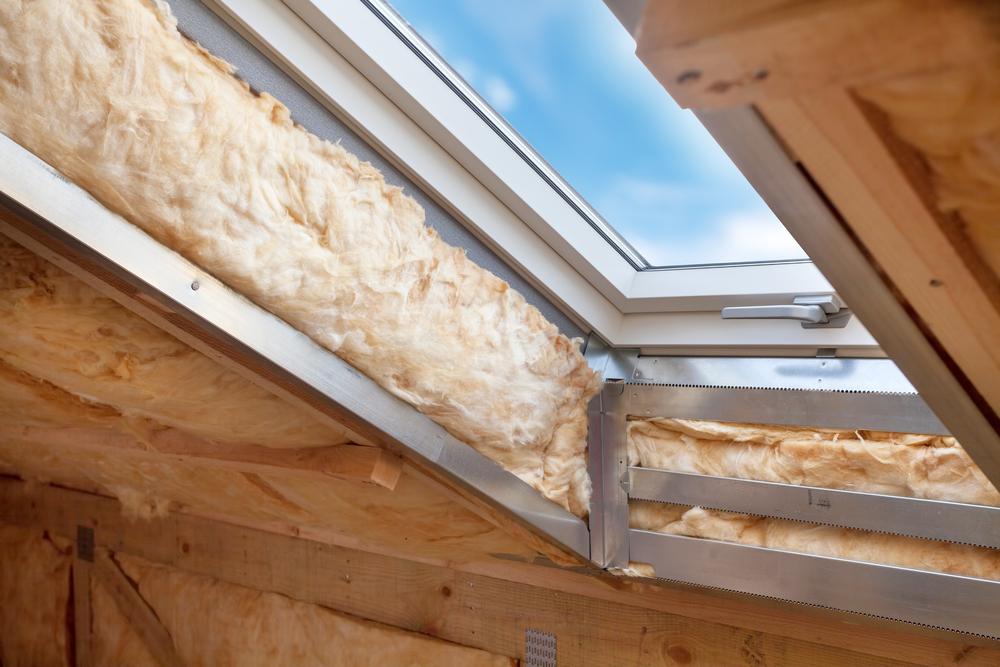
- Proper ventilation works together with insulation. One without the other limits overall energy efficiency.
- Homes in neighborhoods like Highlands, Washington Park, Cherry Creek, and Stapleton often have different roof designs that require ventilation solutions tailored to the structure.
- Xcel Energy customers may notice increased cooling costs if excessive attic heat forces HVAC systems to run longer.
- Seasonal roof inspections can identify blocked vents, damaged components, or ventilation issues before they become expensive problems.
Why This Matters Locally
Attic ventilation plays a particularly important role across Denver because of the area’s combination of strong sunshine, thin mountain air, occasional hailstorms, winter snow accumulation, and large day-to-night temperature swings. These weather conditions affect roofing systems year-round.
Older homes throughout Capitol Hill, Park Hill, and parts of Jefferson County may have outdated ventilation systems that no longer meet modern roofing recommendations. Even newer homes can develop airflow problems if ridge vents, soffit vents, or attic pathways become blocked.
Quality Roofing Co. understands how local weather affects roofing systems throughout the metro area. We focus on helping homeowners improve roof performance while protecting their investment with solutions designed for Colorado conditions.
Local Data and Field Observations
According to the U.S. Department of Energy, proper attic ventilation works alongside insulation to improve overall energy performance and reduce excessive heat buildup. Colorado’s abundant sunshine and high elevation often create challenging conditions for roofing systems during summer months.
From our field observations, we frequently see homes where attic temperatures remain excessively high because intake or exhaust ventilation has been reduced by insulation, remodeling projects, or aging roofing materials.
Local Impact
Proper attic ventilation affects much more than your monthly utility bill.
When excess heat remains trapped inside an attic, homeowners may experience:
- Higher cooling costs
- Uneven indoor temperatures
- Hot upstairs bedrooms
- Increased HVAC runtime
- Faster aging of roofing materials
- Greater moisture accumulation during colder months
These issues become especially noticeable during extended periods of summer heat across the Denver metro area.
Warning Signs Your Attic May Have Poor Ventilation
Poor attic ventilation often produces several noticeable symptoms.
- Upstairs rooms stay much warmer than the main floor.
- Cooling costs continue increasing despite HVAC maintenance.
- Your air conditioner runs almost continuously on hot afternoons.
- The attic feels extremely hot even early in the morning.
- Rust appears on attic fasteners or metal components.
- Moisture or mildew develops on roof decking during colder months.
- Ice dams form repeatedly during winter despite adequate insulation.
When to Call a Professional
Routine visual checks are safe for most homeowners. You can look for blocked soffit vents, obvious roof damage, or excessive attic heat if your attic is safely accessible.
A professional roof inspection is recommended if you notice recurring high cooling bills, uneven indoor temperatures, moisture issues, or signs of roof deterioration. Professional inspections can evaluate whether your intake and exhaust ventilation are properly balanced for your home’s roof design.
Common Local Causes of Poor Attic Ventilation
1. Intense Solar Exposure
Denver receives abundant sunshine throughout the year, causing roofing materials to absorb significant heat during summer.
2. Blocked Soffit Vents
Insulation upgrades sometimes accidentally cover intake vents, reducing airflow into the attic.
3. Aging Roofing Systems
Older homes throughout Arapahoe County and surrounding communities may have ventilation systems that no longer provide adequate airflow.
4. Improper Roof Modifications
Roof replacements or remodeling projects occasionally alter ventilation without maintaining proper intake and exhaust balance.
5. Storm Damage
Colorado hailstorms can damage ventilation components, reducing their effectiveness even when roof shingles appear intact.
Prevention and Maintenance
Preventive maintenance helps ventilation systems continue working efficiently.
Recommended maintenance includes:
- Schedule roof inspections before summer heat arrives.
- Keep soffit vents clear of insulation and debris.
- Check attic spaces after major hail or wind events.
- Replace damaged vent components promptly.
- Ensure insulation does not block airflow pathways.
- Address roof repairs before moisture problems develop.
Homeowners can perform basic visual inspections from safe locations, but roof access and ventilation modifications should generally be handled by qualified roofing professionals.
Expected Results
Improving attic ventilation can help homeowners experience:
- Better indoor comfort
- Reduced attic temperatures
- Lower strain on air conditioning systems
- Improved roof lifespan
- Better moisture management throughout the year
Actual energy savings vary depending on insulation levels, roof design, HVAC efficiency, and the home’s existing ventilation system.
Common Mistakes
Mistake: Assuming more insulation alone will solve high cooling costs.
Consequence: Heat remains trapped in the attic, limiting the benefits of additional insulation.
Better Approach: Combine proper insulation with balanced attic ventilation.
Mistake: Covering soffit vents during insulation projects.
Consequence: Fresh air cannot enter the attic effectively.
Better Approach: Keep intake vents unobstructed while maintaining recommended insulation coverage.
Mistake: Ignoring damaged roof vents after hailstorms.
Consequence: Reduced airflow and potential moisture problems.
Better Approach: Include ventilation components during post-storm roof inspections.
Common Local Scenario
A homeowner notices that the second floor becomes uncomfortable every summer afternoon despite running the air conditioner constantly. After a roof inspection, blocked soffit vents and inadequate exhaust ventilation are identified. Correcting the airflow improves attic ventilation, allowing the HVAC system to operate more efficiently while making upstairs rooms noticeably more comfortable.
Related Service Solutions
Several roofing services may improve attic ventilation performance, including:
- Roof inspections
- Ridge vent installation
- Soffit vent improvements
- Roof replacement planning
- Storm damage assessments
- Attic ventilation evaluations
Comparing Your Options
| Option | Advantages | Limitations |
|---|---|---|
| DIY Visual Inspection | Identifies obvious issues | Cannot safely evaluate all ventilation components |
| Professional Ventilation Assessment | Comprehensive evaluation of airflow and roof condition | Requires scheduling an inspection |
| Vent Repair | Addresses isolated ventilation issues | May not solve larger airflow problems |
| Complete Ventilation Upgrade | Optimizes intake and exhaust balance | Best suited during larger roofing projects or when significant deficiencies exist |
Service Areas
We proudly serve homeowners throughout Denver and nearby communities including Lakewood, Aurora, Littleton, Englewood, Arvada, and surrounding Front Range neighborhoods. Our recommendations are based on the roofing challenges common throughout the local climate.
Cost of Ignoring the Issue
Waiting too long to address attic ventilation problems can increase cooling expenses, accelerate roofing material wear, contribute to moisture damage, and place unnecessary stress on HVAC equipment. Early inspections often identify small issues before they become larger repairs.
Frequently Asked Questions
Does attic ventilation really lower cooling bills in Denver?
Yes. Proper attic ventilation helps remove trapped heat that would otherwise transfer into living spaces. While savings vary by home, reducing attic temperatures can decrease the workload placed on your cooling system.
How hot can an attic become during a Denver summer?
Attics can become much hotter than outdoor temperatures due to direct solar exposure on roofing materials. Proper ventilation helps reduce excessive heat buildup throughout the day.
Should attic ventilation be improved when replacing a roof?
Yes. A roof replacement is often an excellent opportunity to evaluate whether your ventilation system meets current recommendations and supports long-term roof performance.
Can poor attic ventilation damage my roof?
Yes. Excessive heat and trapped moisture may contribute to premature aging of roofing materials and structural components over time.
Are older Denver homes more likely to have ventilation problems?
Yes. Many older homes were built with ventilation systems that may not match current roofing practices or have become less effective after renovations.
How often should attic ventilation be inspected?
Most homeowners benefit from having roof and ventilation systems inspected annually and after significant hail or wind events common along the Front Range.
Closing
Attic ventilation is one of the most overlooked factors affecting cooling costs, indoor comfort, and roof longevity. Understanding how your attic performs throughout the year can help you make informed decisions that protect both your home and your energy budget.
Improve Comfort While Protecting Your Roof
Our team is ready to evaluate your attic ventilation and recommend practical solutions tailored to your home and local conditions.