

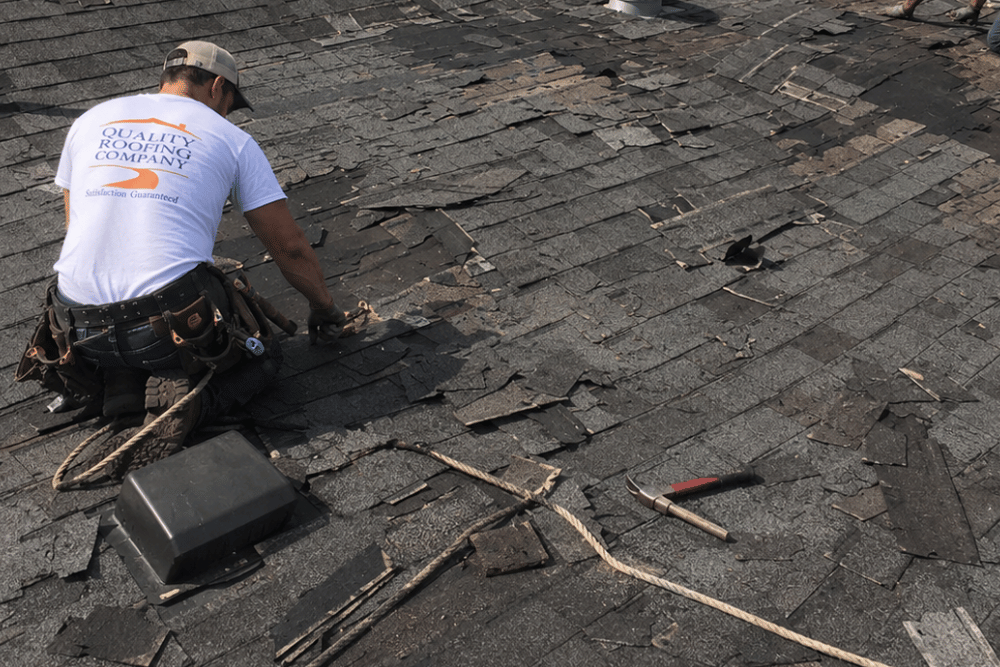
A strong Front Range storm can leave a roof looking fine from the driveway while damage is developing around the edges of the home. In Denver, hail, wind-driven rain, rapid temperature changes, and debris can affect gutters and siding along with shingles, creating problems that are easy to overlook after the skies clear.
Quick answer: After a storm, gutters and siding can provide some of the clearest clues that a roofing system has been affected. Dented gutters, loose downspouts, damaged siding, displaced shingles, and water marks around roof edges can indicate that hail or wind affected multiple parts of the exterior. Checking the entire exterior helps homeowners identify roof damage that a roof-only glance might miss.
What local homeowners should know
-
Gutters can show dents, loosened fasteners, displaced sections, or drainage problems after hail and high winds.
-
Denver’s hail-prone storm season means damage may affect several exterior surfaces during the same weather event.
-
Siding damage can allow moisture behind exterior materials even when the opening looks relatively small.
-
Homes from Lakewood to Aurora can experience different storm impacts depending on hail size, wind direction, tree cover, and how exposed the property is.
-
A professional exterior inspection can help distinguish cosmetic marks from damage that may affect drainage or weather protection.
Why Do Gutters and Siding Matter After a Denver Storm?
Gutters and siding matter after a Denver storm because they are part of the same exterior system that protects the structure from water, wind, and weather. Damage to these components can also provide useful evidence about what happened to the roof during hail or high-wind conditions.
A gutter facing the storm may collect visible dents while shingles above it show subtler effects. Wind can loosen siding panels or trim while also lifting roofing materials along edges, ridges, or penetrations. Downspouts can separate or become obstructed by storm debris, changing where roof runoff goes.
Denver’s location along the Front Range adds another consideration. Weather can change quickly, and thunderstorms may bring hail, gusty winds, and intense rainfall within a short period. That makes a whole-exterior check more useful than focusing only on missing shingles.
Quality Roofing Co. can help property owners evaluate roofing concerns after severe weather. After this first mention, we focus on how the roof, gutters, drainage components, and visible exterior conditions work together when assessing possible storm damage.
What Do Local Weather Conditions Tell Us About Storm Damage?
Local weather conditions tell us that Denver properties can experience hail, strong thunderstorm winds, heavy precipitation, snow, and significant seasonal temperature changes, all of which can stress exterior building materials. The National Weather Service documents severe thunderstorms and hail as hazards along Colorado’s Front Range, making post-storm exterior checks especially relevant for local homeowners.
Field observations are also important because two nearby homes may not experience identical damage. Roof orientation, tree coverage, material condition, wind direction, and the path of a hail core can change the outcome.
Properties near Sloan’s Lake may have different exposure than homes farther south near Washington Park. Likewise, a storm affecting Aurora or Centennial may produce different conditions from one crossing Lakewood or Wheat Ridge.
That is why the condition of the individual property matters more than assumptions based solely on what happened elsewhere in the metro area.
How Can Hidden Storm Damage Affect a Home?
Hidden storm damage can affect a home by disrupting water drainage, weakening exterior weather protection, and allowing relatively small defects to become larger moisture problems. A damaged gutter, loosened piece of siding, or compromised roof component may not cause an obvious leak immediately.
Gutters are designed to move roof runoff away from vulnerable areas. If a storm changes their slope, loosens connections, or damages downspouts, water may spill near fascia, walls, or the foundation instead.
Siding serves another protective role. Cracks, punctures, loose panels, or damaged trim can create pathways for moisture. On the roof, lifted or damaged materials may become more vulnerable during the next round of wind, rain, or snow.
For Denver homeowners, the concern is often cumulative exposure. A problem that remains unnoticed after a summer thunderstorm can still be present when colder weather arrives.
What Warning Signs Should You Check After a Storm?
The most useful warning signs after a storm are visible changes to the roof, gutters, siding, drainage, and areas where water normally leaves the property. Homeowners can safely perform a ground-level visual check without climbing onto a potentially damaged roof.
Watch for:
-
Dents or impact marks on gutters and downspouts
-
Gutters that appear loose, tilted, separated, or pulled away from the fascia
-
Shingle pieces or other roofing debris on the ground
-
Roof edges or shingles that appear lifted, displaced, or irregular
-
Cracked, chipped, punctured, loose, or missing siding
-
Damaged exterior trim, vents, flashing, or other exposed components
-
Water overflowing from gutters or appearing where it normally does not
-
New interior water stains following a storm
Not every mark means the roof requires replacement. The purpose of an inspection is to determine what was actually affected and what level of response is appropriate.
When Should Denver Homeowners Call a Roofing Professional?
Denver homeowners should consider a professional inspection when they see visible storm damage, find roofing materials on the ground, notice new leaks, or cannot safely determine the roof’s condition from below. A professional evaluation is particularly useful after hail or high winds affect several exterior surfaces at once.
Homeowners can safely walk around the property, photograph visible damage, and look from windows or other secure locations. Climbing onto the roof is different. Wet surfaces, loose materials, steep slopes, and storm debris can create fall hazards.
A professional can inspect areas that are difficult to evaluate from the ground and help determine whether the issue calls for monitoring, maintenance, repair, or a larger roofing solution.
What Commonly Causes Storm-Related Exterior Damage Along the Front Range?
The most common storm-related exterior damage along the Front Range comes from hail impact, high winds, heavy runoff, flying debris, and repeated weather exposure. These forces can affect roofing, gutters, siding, and exterior accessories differently even during the same storm.
1. Hail impact: Hail can strike shingles, metal gutters, vents, siding, and other exposed materials. The appearance and significance of the impact depend on the material and storm conditions.
2. High winds: Wind can lift or displace roofing materials and loosen siding, flashing, gutters, or trim.
3. Heavy runoff: Intense rainfall can reveal clogged, damaged, or poorly draining gutters by causing overflow in areas that normally stay dry.
4. Flying debris: Branches and other windblown objects can create localized damage that is easy to miss without inspecting the affected side of the property.
5. Repeated exposure: Colorado sunshine, temperature swings, snow, ice, and previous storms can leave older exterior materials less able to handle another severe weather event.
How Can Homeowners Reduce Storm-Related Problems?
Homeowners can reduce storm-related problems by keeping drainage systems clear, checking exterior components seasonally, addressing existing defects, and inspecting the property promptly after severe weather. In the Denver metro area, spring and summer storm activity makes routine exterior checks especially worthwhile.
Keep gutters and downspouts clear enough to move water effectively. From the ground, look for sagging sections, loose downspouts, damaged siding, and visible roof irregularities.
Before storm season, deal with obvious maintenance issues instead of waiting for severe weather to expose them. After a major storm, document visible changes with photos when it is safe to do so.
DIY inspection should stop where climbing, electrical hazards, unstable materials, or difficult roof access begins.
What Should You Expect From a Professional Storm Inspection?
A professional storm inspection should provide a clearer understanding of which exterior components appear affected and what type of next step may be appropriate. Depending on the property’s condition, that could mean no immediate roofing work, targeted maintenance, repair, additional evaluation, or discussion of replacement options.
The value of an inspection is clarity. A few gutter dents do not automatically establish the condition of the roof, and a roof that looks intact from the street does not necessarily tell the entire story.
We can evaluate accessible roofing concerns and explain observed conditions so homeowners can make decisions based on the property itself rather than assumptions after a neighborhood storm.
What Mistakes Do Homeowners Make After a Storm?
Common post-storm mistakes include checking only the shingles, assuming no leak means no damage, ignoring drainage changes, and attempting unsafe roof inspections. A better approach is to treat the roof and surrounding exterior as a connected weather-protection system.
Mistake: Looking only for missing shingles.
Consequence: Less obvious damage around gutters, edges, siding, flashing, or penetrations may go unnoticed.
Better approach: Check the entire exterior from safe locations.
Mistake: Waiting for an indoor leak.
Consequence: Some exterior defects may exist before water becomes visible inside.
Better approach: Investigate new exterior damage after significant weather.
Mistake: Ignoring gutters because dents look cosmetic.
Consequence: Functional problems such as changed slope, loose attachments, or drainage issues can be overlooked.
Better approach: Check whether gutters still collect and direct runoff properly.
Mistake: Climbing onto the roof immediately after a storm.
Consequence: Wet or damaged surfaces can increase fall risk.
Better approach: Stay on the ground and use a qualified professional when roof access is needed.
What Is a Common Denver Post-Storm Scenario?
A common Denver post-storm scenario is a homeowner noticing obvious marks on a downspout or siding while seeing nothing unusual on the roof from the driveway. That situation does not prove roofing damage, but it gives the homeowner a reasonable reason to look more closely.
For example, after a hailstorm crosses a neighborhood, one side of a house may show dented metal and siding impacts. The roof may appear normal from ground level because many roof surfaces cannot be seen clearly from that angle.
This is a common local scenario, not a Quality Roofing Co. case study. The appropriate response is evaluation rather than assuming either that the roof is damaged or that it is fine.
Which Services Can Address Storm-Related Roofing Concerns?
Storm-related roofing concerns may be addressed through professional inspection, targeted roof repair, maintenance, or roof replacement when the observed condition warrants it. The correct service depends on the type, location, extent, and significance of the damage.
A professional roofing inspection can help identify areas that deserve attention. Smaller isolated problems may be repairable, while more widespread roofing deterioration may require a broader discussion of options.
The goal should be to match the solution to the actual condition of the property.
Should You Inspect Storm Damage Yourself or Hire a Professional?
A ground-level DIY check is useful for documenting obvious damage, while a professional inspection is the better option for roof surfaces, hard-to-see areas, and conditions requiring technical evaluation. Denver homeowners can use both approaches without taking unnecessary risks.
A homeowner can photograph gutters, siding, downspouts, fallen debris, and visible roof edges. This creates a basic record and helps identify areas that deserve attention.
Professional inspection becomes more valuable when damage is high above the ground, roofing materials appear loose, a leak has developed, or the extent of the problem cannot be determined safely.
What Areas Does Quality Roofing Co. Serve?
Quality Roofing Co. serves Denver, Colorado, as identified in this article’s business information, while additional service areas should be confirmed directly before publication. Nearby communities commonly associated with the Denver metro include Aurora, Lakewood, Wheat Ridge, and Centennial, but service availability in those locations should not be assumed without confirmation.
What Can Happen If Storm Damage Is Ignored?
Ignoring legitimate storm damage can allow drainage problems, loose exterior materials, or moisture entry points to remain exposed through future Denver weather. The cost and extent of later repairs depend on what was damaged and whether the condition worsens over time.
Waiting is not automatically disastrous, and every dent or mark does not require immediate work. The practical concern is uncertainty. If a storm has visibly changed roofing or exterior components, identifying the condition early gives the property owner more options for planning an appropriate response.
FAQ
Can a Denver roof have storm damage without leaking?
Yes, a Denver roof can have storm-related damage without producing an immediate visible leak. Some roofing problems may affect materials or vulnerable areas before water reaches the interior. A lack of ceiling stains is encouraging, but it should not be the only factor used to evaluate a roof after significant hail or wind.
Why should I check my gutters after a Denver hailstorm?
You should check gutters after a Denver hailstorm because exposed metal surfaces may show impact marks and storm-related changes that are easier to see from the ground. Also look for loose attachments, altered drainage, displaced sections, and damaged downspouts. Gutter damage alone does not prove that the roof requires repair.
Does damaged siding mean my roof was damaged too?
No, damaged siding does not automatically mean the roof was damaged, but it can indicate that the property experienced significant wind, hail, or flying debris. Because different exterior materials respond differently, siding damage is a good reason to inspect other exposed surfaces rather than making assumptions about the roof.
What should I check after a Front Range thunderstorm?
After a Front Range thunderstorm, safely check gutters, downspouts, siding, roof edges, exterior trim, windows, vents, and the ground for displaced roofing materials or debris. Look for changes from the property’s pre-storm condition. Avoid climbing onto wet, steep, or potentially damaged roofing to perform your own close inspection.
How soon should I inspect my Denver home after hail?
Inspect your Denver home’s exterior once the storm has passed and conditions are safe. A prompt ground-level check makes it easier to document visible changes and identify active problems such as leaks or damaged drainage. Professional evaluation may be appropriate if you find damage or cannot assess important areas safely.
Are gutter dents always a serious problem?
No, gutter dents are not always a serious functional problem, because the significance depends on whether the gutter’s shape, attachment, slope, seams, or drainage performance has been affected. After a Colorado hailstorm, evaluate both appearance and function rather than assuming every dent requires replacement or that all dents can simply be ignored.
Can wind damage a roof even if no shingles are on the ground?
Yes, wind can affect roofing even when no shingles are found on the ground. Materials can loosen, lift, shift, or sustain damage that is difficult to identify from street level. If strong winds affected your Denver neighborhood and you notice other exterior changes, a closer evaluation can help clarify the roof’s condition.
Should I climb onto my roof to check for hail damage?
No, homeowners generally should not climb onto a roof solely to search for hail damage when the surface may be wet, loose, steep, or otherwise unsafe. Use ground-level observations and photographs first. For areas that require roof access, professional inspection avoids exposing you to unnecessary fall hazards.
Protect Your Home Before the Next Front Range Storm
Storm damage is not always limited to the most visible part of the roof. Paying attention to gutters, siding, drainage, and other exterior surfaces can give Denver homeowners a more complete picture of how their property handled severe weather.
We can help evaluate roofing concerns and explain practical next steps based on what is actually found.
Get Clarity About Your Roof After a Denver Storm
A professional inspection can help you understand the condition of your roof without relying on guesswork from the driveway.