
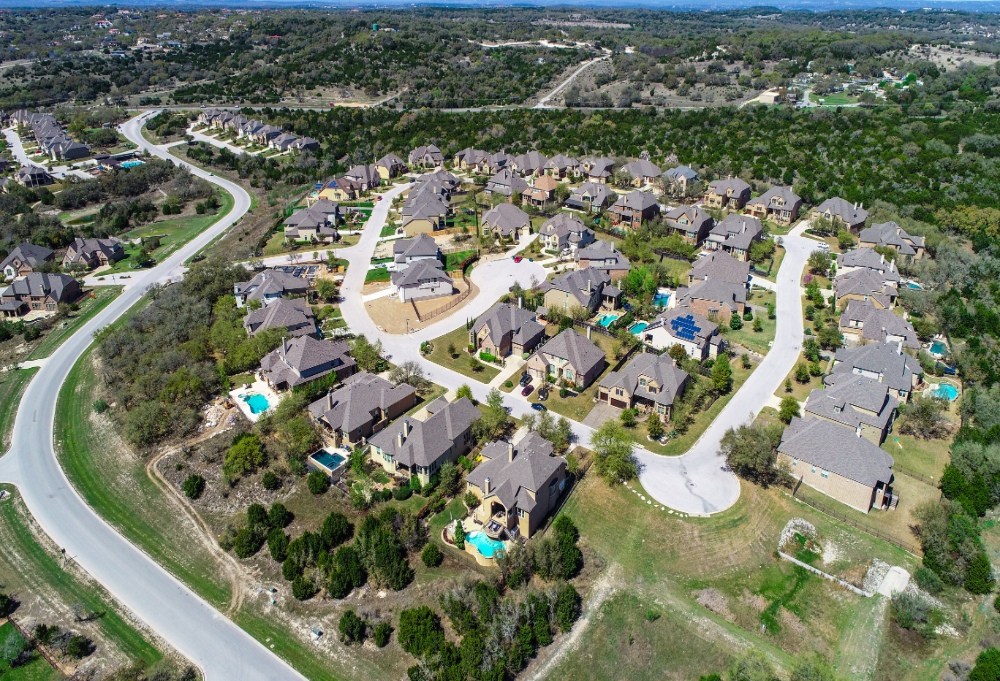
If you own a home in Highlands Ranch or Castle Pines, you already know that life inside a homeowners association comes with a particular set of expectations. The landscaping has to meet certain standards, the paint colors get reviewed, and yes, your roof is absolutely subject to approval. For many homeowners, this feels like an extra layer of bureaucracy layered on top of an already stressful project. But there is a real reason these rules exist, and understanding the intent behind them makes the whole process a lot easier to navigate.
HOAs in planned communities like Highlands Ranch and Castle Pines were designed to protect property values and maintain a consistent visual identity across the neighborhood. When one homeowner installs a roof that clashes with the surrounding homes, it can disrupt the aesthetic harmony that makes these communities desirable in the first place. Roofing regulations are not arbitrary. They reflect a collective agreement among neighbors to hold a shared standard, and that standard ultimately benefits everyone, including you.
That said, the rules can be surprisingly detailed, and the consequences of skipping the approval process can be costly. Fines, forced replacement, and legal disputes are all real outcomes that Colorado homeowners have faced after making roofing decisions without going through proper channels. Working with an experienced roofing contractor for HOA properties from the very beginning is one of the smartest moves you can make.
What HOA Roofing Regulations Typically Cover
Roofing regulations within HOAs in the Denver metro area, including Highlands Ranch and Castle Pines, tend to address several key categories. Knowing what falls under review helps you prepare a stronger application and avoid common mistakes.
The most frequently regulated element is material type. HOA approved roofing materials are usually listed explicitly in the community’s Covenants, Conditions, and Restrictions (CC&Rs). In many Highlands Ranch communities, for example, Class 4 impact-resistant asphalt shingles have become a popular approved option because they satisfy both HOA aesthetic requirements and Colorado’s severe weather demands. Concrete and clay tile, metal roofing, and certain composite materials may also appear on approved lists, but acceptance varies widely from one community to the next.
Color is another tightly controlled factor. Even if your neighbor has a roof you love, that does not mean the same color is currently on your HOA’s approved palette. Many associations update their color guidelines periodically, and what was acceptable five years ago may no longer qualify. Always request the most current approved color list directly from your HOA management company before selecting materials.
Beyond materials and color, HOAs often regulate things like the pitch of the roof, the type of underlayment used, ventilation standards, and even the disposal process during installation. Some communities in Castle Pines require that all roofing debris be removed within a specific window of time, and contractors must sometimes sign agreements with the HOA before work begins.
Navigating the Approval Process in Highlands Ranch
Highlands Ranch is one of the largest master-planned communities in Colorado, and its HOA structure reflects that scale. The community is managed by the Highlands Ranch Community Association (HRCA), and architectural review is handled through a formal application process. If you are planning a roof replacement, you will need to submit an Architectural Review Committee (ARC) request before any work begins.
The ARC application typically requires the following: a description of the project, the manufacturer and product name of the roofing material, a color sample or swatch, and often a photo or rendering of how the finished roof will look on your home. Processing times can range from a few days to several weeks depending on the volume of requests, so planning ahead is essential. Most roof replacement guidelines recommend submitting your ARC application at least 30 days before your anticipated start date.
One important note for Highlands Ranch homeowners: because the community is divided into multiple villages, each with slightly different architectural standards, the rules that apply to a home in The Hearth may differ from those in Westridge or Northridge. Your specific village covenants take precedence, so make sure you are reviewing the correct documents. A knowledgeable roofing contractor for HOA properties will already be familiar with these nuances and can help you pull the right paperwork from the start.
Navigating the Approval Process in Castle Pines
Castle Pines sits south of Denver in Douglas County, and it operates as an incorporated city with its own HOAs layered on top of municipal regulations. This means roofing projects in Castle Pines may need to satisfy both city building codes and HOA requirements simultaneously. The two sets of rules do not always align perfectly, which is why working with contractors who understand both layers of oversight is so important.
The Castle Pines HOA landscape is somewhat fragmented. Castle Pines Village, for instance, is a gated community with its own Architectural Review Board and some of the strictest aesthetic standards in the Denver metro area. Castle Pines North operates under a different association with its own CC&Rs. Both require formal approval before roof replacement work begins, and both take a close look at HOA approved roofing materials, color choices, and contractor qualifications.
A common challenge in Castle Pines is that the community’s wooded, upscale aesthetic places a premium on natural-looking materials. Synthetic or composite roofing products that mimic the look of wood shake or slate tend to perform well in the approval process here, provided they carry a Class 4 impact resistance rating and come in earth-toned colors. Bright or non-traditional colors are rarely approved, and any material that visually stands out from the surrounding homes is likely to be rejected.
Getting familiar with your specific HOA board members and management company can also make a meaningful difference. Some Castle Pines associations prefer a pre-application meeting before you formally submit, which gives you the chance to get informal feedback and adjust your material choices before committing to a formal application.
Working With the Right Roofing Contractor for HOA Properties
Choosing a roofing contractor for HOA properties is not the same as hiring any general contractor for a standard residential project. The stakes are higher because a mistake in the approval process can cost you time, money, and a lot of frustration. You need a contractor who understands how HOA review works, knows which materials are commonly approved in communities across the Denver metro area, and can handle the administrative side of the process alongside the physical work.
When interviewing contractors, ask directly whether they have experience working in Highlands Ranch, Castle Pines, or similar planned communities in Douglas and Arapahoe counties. Ask whether they will handle the ARC application on your behalf, or at least guide you through it. Find out whether they carry the required licensing and insurance that many HOA boards require before allowing work to begin on community property.
A contractor with genuine HOA experience will come to your first meeting already knowing which products are likely to pass review and which are likely to get flagged. They will understand roof replacement guidelines and be able to walk you through the approval timeline so you can plan accordingly. They will also know how to present your project to the review board in a way that increases the chances of a first-pass approval, saving you weeks of back-and-forth.
Making the Process Work for You
HOA compliance does not have to be a source of stress. With the right preparation, the right materials, and the right roofing contractor by your side, navigating roofing regulations in Highlands Ranch and Castle Pines is very manageable. Start by pulling your CC&Rs and reviewing the approved materials list. Submit your ARC application early. Work with a contractor who treats HOA compliance as a core part of the job, not an afterthought. When you approach the process with care and the right support, you protect your investment, keep your HOA in good standing, and end up with a roof that looks great and performs well for decades to come.
Need a Trusted Roofing Contractor Near You?
At Quality Roofing Co., we’re proud to bring over 15 years of trusted roofing experience to homeowners and businesses across Denver, CO. From quick roof repairs and shingle work to full roof replacements and advanced flat roofing systems, our team delivers durable, detail-driven results you can count on. We’re committed to your satisfaction every step of the way, whether you’re dealing with an unexpected roofing emergency or planning a major renovation. Reach out to us today and let us protect your property with the dependable craftsmanship you deserve.