

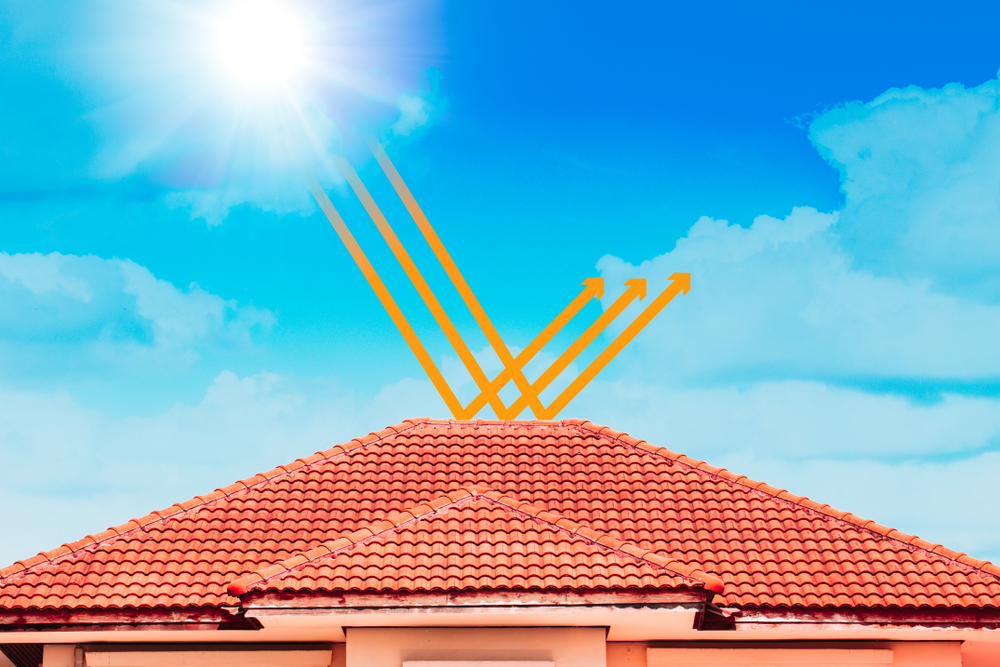
Denver homeowners are not just dealing with the usual wear and tear that roofs face everywhere else. They are dealing with an invisible force working against their shingles every single day, one that most people never think about until the damage is already done. That force is ultraviolet radiation, and at a mile above sea level, it hits harder than almost anywhere else in the continental United States.
Living at 5,280 Feet Changes Everything
Altitude is not just a number on a welcome sign. It is a physical reality that affects everything from how your body feels on a jog to how quickly your roof degrades. Denver sits at exactly 5,280 feet above sea level, and that elevation has a direct impact on UV intensity. The atmosphere above Denver is thinner than it is at sea level, which means there is simply less air between your roof and the sun.
Scientists measure UV exposure using the UV Index, and Denver consistently ranks among the highest UV Index cities in the entire country. On a clear summer day, Denver can reach UV Index levels of 11 or higher, which is classified as “extreme.” For comparison, cities like Chicago or Boston rarely crack UV levels that high even during peak summer. This is one of the most overlooked high altitude roofing problems that Colorado homeowners face, and it starts causing damage long before any visible signs appear.
What makes the situation more complicated is that Denver also enjoys more than 300 sunny days per year on average. That is not just a selling point for tourism. It is a measurement of how many days per year your roof is absorbing relentless solar radiation with very little cloud cover to provide relief.
How UV Radiation Actually Breaks Down Your Shingles
To understand UV damage on shingles, it helps to know what shingles are actually made of. Asphalt shingles, which cover the vast majority of residential roofs in Denver, are composed of a fiberglass mat coated with asphalt and topped with granules. Those granules serve a critical purpose: they act as a protective barrier that deflects UV rays and prevents the asphalt layer underneath from being exposed directly to the sun.
When UV radiation hits shingles day after day, it begins breaking down the chemical bonds in the asphalt. This process is called photo-oxidation, and it causes the asphalt to dry out, crack, and become brittle over time. As the asphalt weakens, the granules that sit on top begin to loosen and shed. You may have noticed dark, gritty material collecting in your gutters or at the base of your downspouts. That is granule loss, and it is one of the earliest and most telling signs that UV damage is actively degrading your roof.
Once enough granules have shed, the asphalt layer is exposed directly to UV radiation with no protection. At that point, the deterioration accelerates significantly. Cracks form, edges curl upward, and the shingles lose their ability to create a watertight seal. What started as invisible molecular damage becomes a very visible and very expensive roofing problem.
Denver’s Compounding Factors Make It Worse
Denver’s UV intensity is the core issue, but it does not work alone. Colorado throws several additional stressors at roofs that compound the damage caused by sun exposure and create a uniquely harsh environment for roofing materials.
Temperature swings are a major factor. Denver is famous for dramatic temperature changes that can occur within a single day. A morning that starts at 20 degrees Fahrenheit in January can climb to 60 degrees by afternoon. This constant expansion and contraction puts stress on roofing materials, and when shingles are already brittle from UV degradation, they crack and split far more easily under that thermal stress.
Hail is another variable that Colorado homeowners know all too well. When hail strikes shingles that have already been weakened by UV damage, the impact dislodges granules far more aggressively than it would on a newer, healthier roof. A hailstorm that might cause cosmetic damage on a fresh roof can cause severe structural damage on one that has been sun-compromised for several years.
Wind is a third factor. Denver and the surrounding Front Range experience frequent high-wind events, sometimes with gusts exceeding 60 miles per hour. Wind lifts and flexes shingles, and when those shingles are already dried out and fragile, they are far more likely to crack, break, or be torn away entirely.
How Long Does a Roof Last in Denver, Really?
The standard answer you will hear from manufacturers is that an asphalt shingle roof should last somewhere between 20 and 30 years. That estimate is based on average conditions, and Denver is far from average. In practice, roofs in Colorado often show significant degradation well before the 20-year mark, with many homeowners in Denver facing major repairs or full replacements closer to the 15 to 18-year range.
This is not a knock on roofing materials. High-quality shingles installed by experienced roofers still perform better than budget options. But even premium products are subject to the physics of high-altitude UV exposure. Impact-resistant shingles rated Class 4 by the UL 2218 standard offer meaningful added durability, and many Denver homeowners find that the investment pays off both in longevity and in reduced homeowner’s insurance premiums. Proper attic ventilation also plays a significant role, since a poorly ventilated attic allows heat to build up beneath the roof deck, accelerating the breakdown of shingles from both above and below.
This is why regular roof inspection for sun damage is not just a good habit in Denver. It is a financial necessity. Catching granule loss, cracking, and curling early allows homeowners to address problems before water infiltration begins, which is where a roof problem becomes a home damage problem.
What to Look For and When to Call a Professional
Most roofing professionals recommend that Denver homeowners schedule a roof inspection at least once a year, with a second inspection after any significant hail event or major windstorm. The best times are typically in the spring after winter storms have passed and again in the fall before temperatures drop.
During a professional roof inspection for sun damage, a qualified roofer will look for granule loss patterns across the entire roof surface, not just on the south and west-facing slopes that receive the most direct sunlight. They will check for cracking, blistering, and curling at shingle edges. They will examine flashing around chimneys, skylights, and vents, since UV-degraded sealants around these areas are a common source of leaks. They will also assess the condition of the roof deck and look for any signs of moisture intrusion that may have already begun.
If you are doing a basic visual check yourself from ground level, look for any areas where the roof appears discolored, patchy, or shiny. Discoloration often indicates granule loss. A patchy appearance suggests uneven wear across the surface. A shiny or smooth look on asphalt shingles means the granule layer is largely gone and the asphalt itself is exposed.
Catching these signs early is the difference between a repair bill and a replacement bill.
Protecting Your Investment at High Altitude
The reality of living in Denver is that you get incredible sunshine, stunning mountain views, and a roof that works harder than it would almost anywhere else in the country. Understanding high altitude roofing problems in Colorado puts you in a far better position than the many homeowners who only think about their roof when something goes wrong.
Schedule your annual inspections, take granule loss seriously, consider impact-resistant upgrades when it is time to replace, and partner with a roofer who understands the specific demands of Colorado’s climate. Your roof is the first line of defense for everything inside your home, and at 5,280 feet, that defense needs a little extra attention.
Need a Trusted Roofing Contractor Near You?
At Quality Roofing Co., we’re proud to bring over 15 years of trusted roofing experience to homeowners and businesses across Denver, CO. From quick roof repairs and shingle work to full roof replacements and advanced flat roofing systems, our team delivers durable, detail-driven results you can count on. We’re committed to your satisfaction every step of the way, whether you’re dealing with an unexpected roofing emergency or planning a major renovation. Reach out to us today and let us protect your property with the dependable craftsmanship you deserve.