

A sudden roof leak can send any homeowner into a panic. Whether it was triggered by a hailstorm rolling through the Denver Metro area, a burst of heavy snowfall, or years of gradual wear finally giving way, the first 24 hours after discovering a leak are the most critical. Acting fast can mean the difference between a manageable repair and a full-blown structural disaster. Knowing exactly what steps to take, and in what order, can save you thousands of dollars and protect your family from further harm.
This guide walks you through everything you need to do in those first crucial hours, from assessing the damage safely to calling a 24 hour roofer who can get temporary roof tarping in place before the next storm hits.
Step 1: Prioritize Safety Before Anything Else
Before you grab a ladder or start poking around in your attic, stop and think about safety. A leaking roof means water has entered your home, and water near electrical systems is a serious hazard. If the leak is significant, locate your breaker box and shut off power to any affected areas. Do not enter a room where ceiling materials appear to be sagging or bulging, as this is a sign that water has pooled above and the ceiling could collapse without warning.
Once you have confirmed there are no immediate electrical or structural threats, move your furniture, electronics, and valuables away from the affected area. Place buckets or large containers under active drips to collect water and minimize floor damage. Lay down towels or plastic sheeting to protect hardwood floors, carpets, and anything else that could be damaged by standing water.
In Colorado, storms can escalate quickly. What starts as a slow drip in the morning can become a torrent by afternoon if the weather continues to turn. Do not assume the situation will improve on its own. Taking these early precautions buys you time while you figure out your next move.
Step 2: Locate the Source of the Leak
Finding where a leak originates sounds straightforward, but it is often trickier than it appears. Water has a habit of traveling along rafters, insulation, and other surfaces before dripping down into your living space. The visible wet spot on your ceiling may be several feet away from the actual point of entry on your roof.
Start by heading to your attic with a flashlight. Look for signs of moisture, dark staining, or visible daylight coming through the roof decking. If the leak is active, you may be able to trace the water trail back to its source. Mark the area if you can so you can communicate the location clearly when you call for emergency roof repair.
If attic access is not possible or safe, try to identify the general area from outside by looking for obvious damage: missing shingles, cracked flashing around a chimney or vent pipe, or damaged gutters that are allowing water to back up under the roofline. In the Denver area, hail damage is one of the most common culprits, and it can be surprisingly subtle. What looks like a perfectly fine roof from street level may have dozens of impact points that have compromised the shingles.
Step 3: Apply a Temporary Tarp to Stop Further Damage
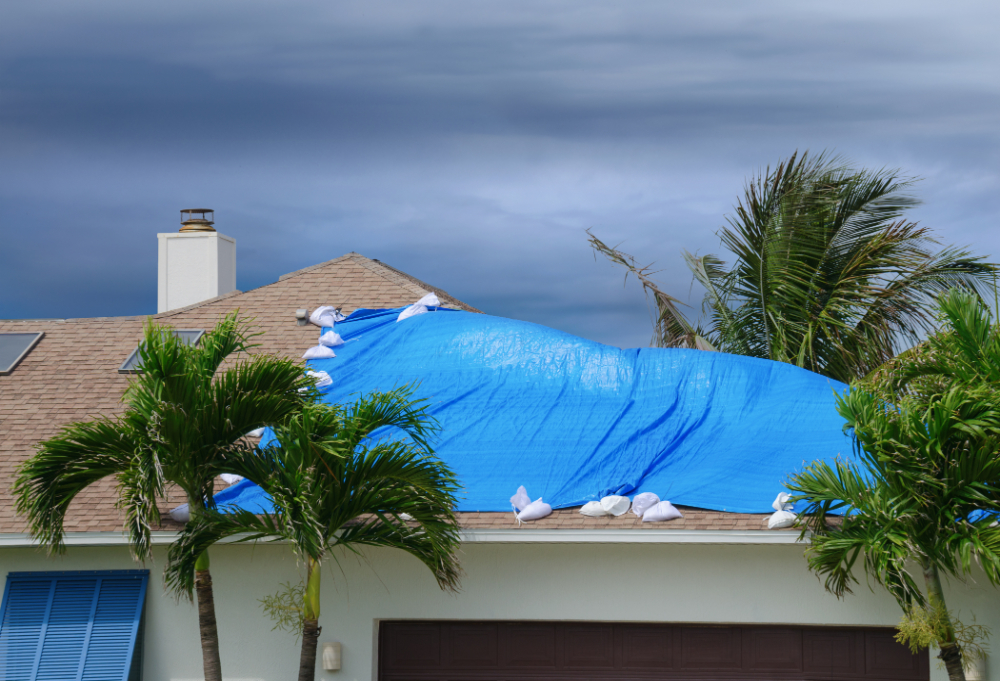
Once you have a general idea of where the problem is located, the next priority is getting a tarp over the damaged section. Temporary roof tarping is one of the most effective ways to prevent additional water intrusion while you wait for professional help or for weather conditions to improve enough for permanent repairs.
For a safe DIY approach, use a heavy-duty polyethylene tarp that is large enough to cover the damaged area and extend at least four feet in every direction. Run the tarp over the peak of the roof so it covers both sides, and secure it using wooden planks or sandbags to weigh down the edges. Avoid using nails or screws if possible, as these can cause additional damage to the roofing material beneath.
That said, climbing on a wet or damaged roof is genuinely dangerous, particularly in Colorado where temperatures can drop rapidly and surfaces become slippery without much warning. If you have any doubt about your ability to do this safely, do not attempt it yourself. Calling a 24 hour roofer in Denver is the far smarter move. Emergency roof repair professionals are equipped with the right safety gear, experience, and materials to get a proper tarp in place quickly and correctly.
A professionally installed temporary tarp can hold up through multiple storm cycles and keep your home protected until a permanent solution is scheduled. It is not a long-term fix, but in the first 24 hours, it is exactly what you need.
Step 4: Document Everything for Your Insurance Claim
While you are waiting for a roofing professional to arrive, use your phone to document everything thoroughly. Take photos and videos of the interior water damage, the ceiling staining, any pooled water, and damaged belongings. Then, if it is safe to do so, photograph the exterior of your roof from ground level to capture any visible signs of damage.
This documentation will be essential when you file a homeowner’s insurance claim. In Denver and throughout the Denver Metro area, storm-related roof damage is a frequent insurance claim, and insurers will want evidence that the damage was sudden and not the result of long-term neglect. The more detailed your records, the stronger your claim.
Write down the date and time you first noticed the leak, the weather conditions at the time, and any steps you took to prevent additional damage. Insurance companies generally look favorably on homeowners who took reasonable precautions, such as placing buckets and applying temporary roof tarping, because it shows you acted to minimize the loss.
Contact your insurance company as soon as possible to report the damage and get the claims process started. Many insurers have 24-hour hotlines for exactly this type of emergency. Ask about their preferred process for working with contractors so there are no surprises down the line.
Step 5: Call a Trusted Denver Emergency Roofing Company
Once your immediate safety measures are in place and your documentation is underway, it is time to call in the professionals. Not every roofing company offers true emergency roof repair, so it is important to find a 24 hour roofer who serves the Denver Metro area and can respond quickly.
When you call, be ready to describe the location of the damage, the approximate size of the affected area, and any visible signs of exterior damage you observed. A reputable Colorado roofing contractor will be able to give you a realistic timeline for their arrival and let you know what to expect from the immediate repair process.
Look for a company with strong local reviews, proper licensing and insurance, and specific experience with Colorado’s weather conditions. Denver is no stranger to severe hail, wind, and snow, and a roofer who understands the regional climate will be better equipped to identify all of the damage, not just the obvious portions.
Ask about their process for transitioning from temporary roof tarping to a full permanent repair, and get any estimates or agreements in writing before work begins. A trustworthy company will be transparent about costs, timelines, and what your insurance is likely to cover.
Conclusion
The first 24 hours after a roof leak are stressful, but they do not have to be chaotic. By focusing on safety first, locating the source of the leak, applying temporary protection, documenting the damage, and calling a qualified 24 hour roofer in Denver, you can take control of the situation and prevent a manageable problem from becoming a catastrophic one. When Colorado weather turns against you, fast and informed action is your best defense.
Need a Trusted Roofing Contractor Near You?
At Quality Roofing Co., we’re proud to bring over 15 years of trusted roofing experience to homeowners and businesses across Denver, CO. From quick roof repairs and shingle work to full roof replacements and advanced flat roofing systems, our team delivers durable, detail-driven results you can count on. We’re committed to your satisfaction every step of the way, whether you’re dealing with an unexpected roofing emergency or planning a major renovation. Reach out to us today and let us protect your property with the dependable craftsmanship you deserve.