

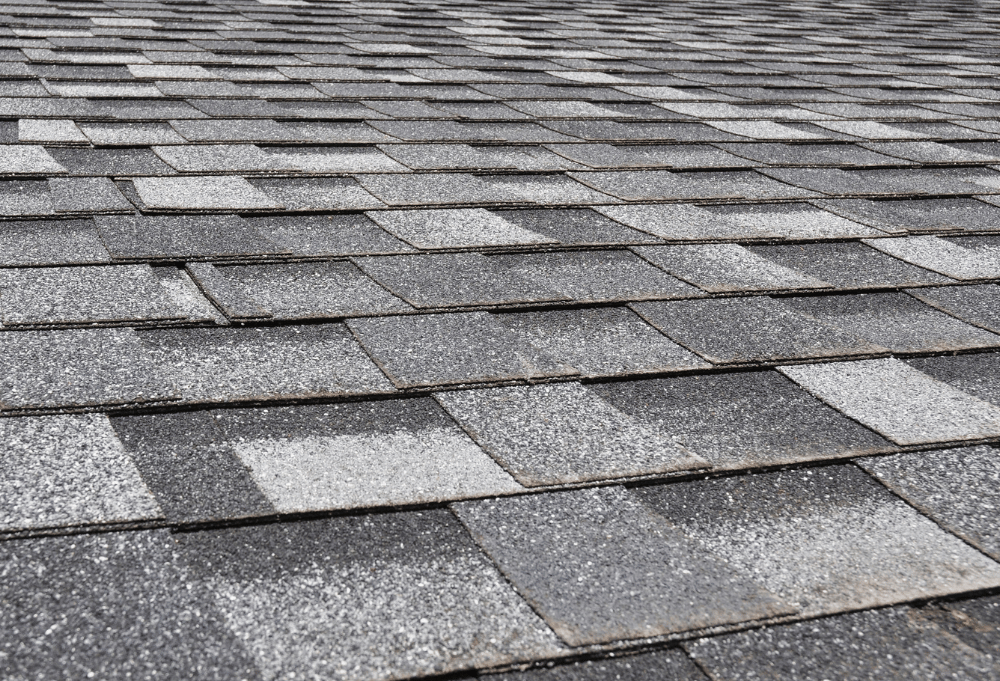
If you have noticed small, sand-like particles collecting in your gutters or around your downspouts, you may be seeing signs of granule loss on roofing shingles. While some granule shedding is normal over time, excessive granule loss can indicate roof aging, storm damage, or deterioration that may shorten the lifespan of your roof.
In Colorado, where roofs regularly face hail, snow, intense UV exposure, and rapid temperature changes, asphalt shingles experience significant wear throughout the year. Understanding what causes granule loss and when it becomes a problem can help homeowners protect their roofs and avoid costly repairs.
At Quality Roofing Co, we help homeowners throughout Colorado identify roofing issues early and determine whether repairs or a full residential roof replacement may be necessary. Below, we explain what roofing granules do, what causes granule loss, and what homeowners should watch for.
What Are Roofing Granules?
Roofing granules are the small mineral particles embedded into the surface of asphalt shingles. These granules serve several important purposes that help protect your roofing system from weather damage and aging.
Why Roofing Granules Matter
- Protect shingles from harmful UV rays
- Improve fire resistance
- Add durability against weather exposure
- Provide color and curb appeal
- Help extend overall shingle lifespan
Without these protective granules, asphalt shingles become more vulnerable to cracking, drying out, and premature deterioration.
What Causes Granule Loss on Roofing Shingles?
Granule loss can occur naturally as roofing materials age, but several environmental factors can accelerate the process.
Common Causes of Granule Loss
- Normal roof aging over time
- Hail and storm damage
- Heavy UV exposure from Colorado sunlight
- Freeze-thaw cycles during winter
- Strong wind exposure
- Poor attic ventilation
- Foot traffic on the roof
In many cases, older roofs experience gradual granule loss as shingles wear down naturally. However, sudden or excessive granule loss may indicate significant roof damage that requires professional inspection.
Is Some Granule Loss Normal?
Yes. Some granule loss is completely normal, especially on newer asphalt shingles shortly after installation. During manufacturing and your asphalt shingle installation, loose granules may naturally separate from the shingles and collect in gutters.
Small amounts of granule shedding over time are expected as part of normal roof aging.
Normal Granule Loss Typically Includes:
- Small amounts of granules in gutters
- Minor shedding after roof installation
- Gradual wear over many years
However, excessive or uneven granule loss can signal larger roofing problems that should not be ignored.
Signs of Excessive Granule Loss
While some granule shedding is expected, homeowners should watch for warning signs that indicate more serious shingle deterioration.
Common Warning Signs
- Large amounts of granules collecting in gutters
- Bare or dark spots appearing on shingles
- Uneven shingle coloration
- Visible asphalt exposure
- Cracked, curling, or brittle shingles
- Roof leaks or moisture intrusion
If shingles begin losing large amounts of granules, they become more exposed to UV rays and weather damage, which can accelerate roof failure.
How Colorado Weather Impacts Asphalt Shingles
Colorado’s climate can be especially hard on asphalt roofing systems. Intense sun exposure combined with severe weather conditions creates ongoing stress for roofing materials.
Weather Conditions That Accelerate Granule Loss
- Hailstorms that damage shingle surfaces
- Heavy snow accumulation
- Freeze-thaw temperature cycles
- Strong UV radiation at higher elevations
- High winds and severe storms
Because of these conditions, homeowners should schedule regular roof inspections to catch roofing damage before it worsens.
Can Hail Cause Granule Loss?
Yes. Hail is one of the most common causes of sudden granule loss on asphalt shingles in Colorado.
Even smaller hailstones can knock protective granules loose, exposing the asphalt layer beneath the surface. Over time, this exposure can weaken shingles and shorten roof lifespan.
Signs of Hail Damage on Shingles
- Circular impact marks on shingles
- Dark spots where granules are missing
- Dented gutters or flashing
- Loose granules collecting around downspouts
After major storms, homeowners should schedule a professional roof inspection to identify hidden hail damage that may not be immediately visible from the ground.
Granule Loss Comparison Table
| Granule Loss Condition | Severity Level | Possible Cause | Recommended Action |
|---|---|---|---|
| Minor granules in gutters | Low | Normal aging or recent installation | Continue routine monitoring |
| Uneven shingle coloration | Moderate | UV exposure or weather wear | Schedule professional inspection |
| Bare asphalt spots | High | Advanced shingle deterioration or hail damage | Roof repair or replacement evaluation recommended |
| Heavy granule buildup after storms | High | Hail or severe storm damage | Immediate roof inspection recommended |
Can Granule Loss Lead to Roof Leaks?
Yes. Once asphalt shingles lose enough protective granules, the underlying asphalt becomes exposed to sunlight, moisture, and weather damage.
Over time, this exposure can lead to:
- Cracking and brittleness
- Premature shingle failure
- Water intrusion and roof leaks
- Reduced roof lifespan
Early detection is important because addressing granule loss before leaks develop can help homeowners avoid larger structural repairs.
How to Prevent Premature Granule Loss
While all asphalt shingles eventually experience wear, homeowners can take steps to help extend roof lifespan and reduce premature deterioration.
Ways to Protect Your Roof
- Schedule regular roof inspections
- Keep gutters clean and functioning properly
- Improve attic ventilation
- Address storm damage quickly
- Avoid unnecessary foot traffic on shingles
- Choose high-quality roofing materials
Proper roof maintenance can help homeowners maximize the lifespan of their asphalt roofing system.
When Should You Replace a Roof With Granule Loss?
Not every case of granule loss requires immediate roof replacement. However, widespread shingle deterioration, recurring leaks, or visible asphalt exposure may indicate that the roof is nearing the end of its lifespan.
Signs a Roof May Need Replacement
- Large bare patches on shingles
- Frequent leaks or water damage
- Widespread cracking or curling shingles
- Roof age approaching 20 to 30 years
- Extensive storm or hail damage
A professional roofing inspection can help determine whether repairs are sufficient or if a full roof replacement is the better long-term solution.
Professional Roof Inspections Matter
Granule loss is not always easy to evaluate from the ground. Some roof damage may appear minor while hidden issues continue developing underneath the shingles.
Working with experienced residential roofers ensures your roof receives a proper inspection and accurate assessment.
At Quality Roofing Co, we help homeowners identify roofing issues early and provide honest recommendations based on the condition of the roof.
Final Thoughts on Granule Loss on Roofing Shingles
Granule loss on asphalt shingles is a normal part of roof aging, but excessive granule shedding can signal more serious roofing problems. Colorado weather conditions, including hail, UV exposure, and freeze-thaw cycles, can accelerate shingle deterioration over time.
Recognizing the warning signs early can help homeowners prevent leaks, extend roof lifespan, and avoid more expensive repairs later on.
Whether you have noticed granules in your gutters or suspect storm damage after severe weather, scheduling a professional roof inspection is the best way to protect your home and ensure your roofing system continues performing properly.