

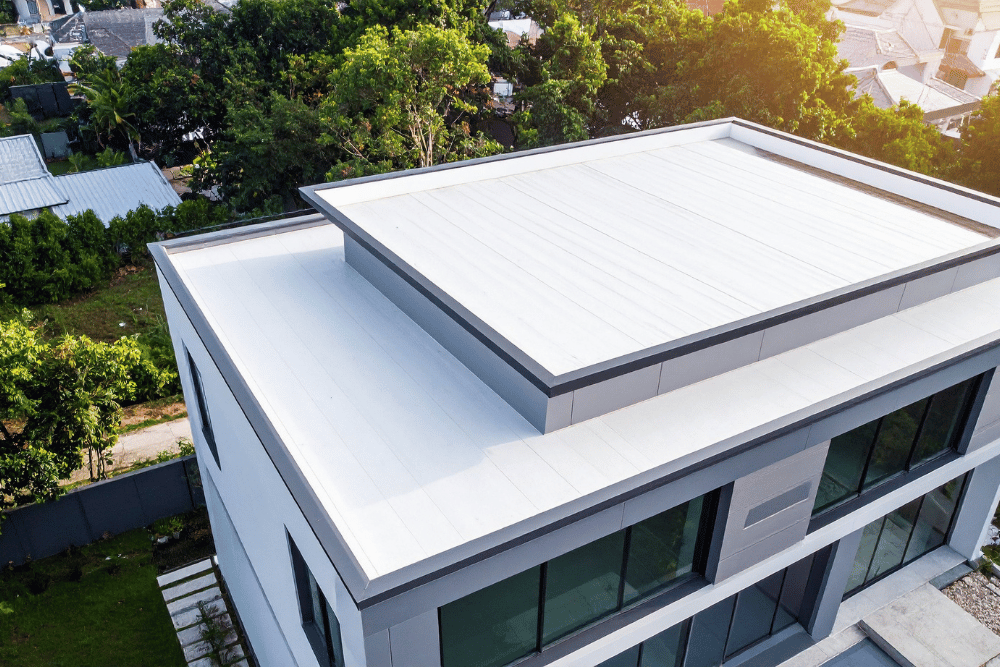
Denver homeowners know how quickly Colorado weather can change. A sunny afternoon can turn into a freezing evening, while summer temperatures can make upstairs bedrooms uncomfortable even with the air conditioner running. If your roof is aging, you may wonder whether replacing it could help control your monthly heating and cooling costs.
A new roof can improve energy efficiency, but the benefits depend on more than installing new shingles. Roofing materials, attic insulation, ventilation, and installation quality all influence how effectively your home manages heat throughout the year.
Quick Answer: Yes, a new roof can lower energy bills in Denver, especially when the replacement includes energy-efficient roofing materials and improvements to insulation, air sealing, or ventilation. Reflective roofing can reduce summer heat absorption, while proper insulation helps limit heat loss during Colorado winters. However, replacing shingles alone does not guarantee lower utility bills. The biggest improvements often come from addressing weaknesses in the entire roofing and attic system.
What Denver homeowners should know:
-
Energy-efficient roofing materials can reduce solar heat absorption during Colorado’s sunny summer months.
-
Proper attic insulation helps maintain comfortable indoor temperatures during Front Range winter cold spells.
-
Roof ventilation supports moisture control and can help manage attic temperatures when properly designed.
-
Older homes in neighborhoods such as Park Hill and Washington Park may benefit from evaluating attic insulation and air leakage before roof replacement.
-
A professional roofing inspection can help determine whether repairs, insulation improvements, or complete replacement offer the best value.
For homeowners throughout the Mile High City, understanding these factors can make roof replacement a more informed investment.
At Quality Roofing Co., we believe homeowners should understand how roofing materials and installation choices affect comfort, durability, and long-term home performance before deciding on a replacement.
How Does a New Roof Improve Energy Efficiency in Denver?
A new roof can improve energy efficiency in Denver by reducing unwanted solar heat gain, supporting a properly insulated roof assembly, and correcting roofing problems that contribute to moisture intrusion or poor attic performance. The greatest benefits usually come when roofing improvements are coordinated with insulation, air sealing, and appropriate ventilation.
During summer, sunlight heats roofing materials throughout the day. Dark, highly absorptive surfaces can transfer heat toward the attic, increasing the cooling demand on the home.
In winter, the challenge reverses. Heated indoor air can escape through poorly sealed attic openings, while inadequate insulation allows heat to move toward colder spaces.
A properly planned roof replacement creates an opportunity to evaluate these issues together rather than treating the roof as an isolated component.
What Does Local Energy Research Say About Roofing Efficiency?
Research from the U.S. Department of Energy and ENERGY STAR confirms that reflective roofing materials can reduce roof surface temperatures and help lower cooling demand. However, the actual energy savings depend on climate, existing insulation, roof design, and the building’s heating and cooling requirements.
The Cool Roof Rating Council also explains that reflective roofs may slightly increase winter heating demand because they absorb less solar warmth.
This distinction matters in Colorado’s mixed climate. Homeowners must consider both summer cooling and winter heating rather than selecting roofing materials based only on their ability to reflect sunlight.
For local households served by Xcel Energy, changes in electricity or natural gas consumption may affect monthly costs. Still, utility rates, thermostat settings, HVAC efficiency, and household energy habits also influence the final bill.
The practical takeaway: Energy-efficient roofing is most effective when evaluated as part of the home’s complete thermal system, not as a guaranteed percentage reduction in utility expenses.
How Can an Aging Roof Affect Home Comfort and Utility Bills?
An aging roof can affect comfort and energy costs when deterioration contributes to water intrusion, damaged insulation, or other problems in the roof and attic assembly. While worn shingles do not automatically cause higher utility bills, roofing defects can worsen existing efficiency problems and make indoor temperatures harder to manage.
For homeowners in Capitol Hill, Highlands, and surrounding neighborhoods, the age and construction of the home can be especially relevant.
Potential consequences include:
-
Increased cooling demand when attic heat transfers into living spaces.
-
Higher heating demand when attic insulation is insufficient or air leaks remain unsealed.
-
Uneven temperatures between upstairs and downstairs rooms.
-
Moisture damage that reduces insulation performance.
-
Additional HVAC operation to maintain comfortable indoor temperatures.
A roof inspection combined with an attic assessment can help identify which conditions are contributing to these problems.
What Warning Signs Suggest Your Roof May Be Affecting Energy Efficiency?
Several warning signs can indicate that roofing or attic conditions deserve closer attention. Denver homeowners should look for a combination of temperature problems, visible roofing deterioration, moisture concerns, and unexplained changes in energy consumption rather than assuming one symptom automatically means the roof needs replacement.
Watch for these seven indicators:
-
Unusually hot upstairs rooms: Excess attic heat or insufficient insulation may contribute to uncomfortable second-floor temperatures.
-
Increasing heating or cooling usage: Higher consumption without an obvious explanation may indicate building-envelope or HVAC issues.
-
Missing or damaged shingles: Exposed roofing components can allow moisture to enter the roof assembly.
-
Water stains on ceilings: Discoloration may indicate leaks that threaten attic insulation.
-
Wet or compressed insulation: Moisture and compression can reduce the effectiveness of insulation.
-
Ice buildup along roof edges: Repeated ice dams may point to heat leakage, insulation gaps, ventilation issues, or drainage problems.
-
Visible attic moisture or mold: These conditions may indicate ventilation, condensation, or water-intrusion problems requiring evaluation.
Not every warning sign requires a new roof. Identifying the underlying cause is essential before choosing a solution.
When Should Denver Homeowners Call a Roofing Professional?
Denver homeowners should contact a roofing professional when visible roof damage, recurring leaks, persistent moisture, or suspected storm damage could compromise the roofing system. A professional evaluation is also useful when planning replacement and determining whether roofing choices can support broader energy-efficiency improvements.
After Front Range hailstorms or heavy snowfall, homeowners can safely inspect visible roof areas from the ground.
However, walking on steep, icy, or damaged roofing surfaces creates unnecessary risk.
Professional evaluation is particularly valuable when:
-
Roof leaks continue after previous repairs.
-
Shingles show widespread deterioration.
-
Storm damage may have affected multiple roofing components.
-
Attic insulation has become wet.
-
A roof is nearing the end of its expected service life.
-
Homeowners want to coordinate roof replacement with energy improvements.
We can help homeowners review roofing conditions and discuss appropriate repair or replacement options.
What Common Roofing Problems Contribute to Energy Loss in Colorado?
Common roofing-related energy problems in Colorado include inadequate attic insulation, uncontrolled air leakage, excessive solar heat gain, and moisture-damaged building materials. These issues may exist independently of roof age, which is why a complete evaluation is more useful than assuming new shingles will solve every comfort problem.
1. Insufficient attic insulation
Older properties may have insulation levels that no longer meet current energy-efficiency expectations. This allows more heat transfer between conditioned rooms and attic spaces.
2. Air leaks around attic penetrations
Openings near plumbing vents, recessed lighting, attic hatches, and wiring can allow conditioned air to escape.
3. Solar heat absorption
Roofing materials that absorb substantial sunlight can contribute to elevated attic temperatures during warm Front Range afternoons.
4. Improper attic ventilation
Blocked or incorrectly configured ventilation can contribute to moisture and temperature-management problems. More ventilation is not automatically better, and ventilation cannot replace adequate insulation.
5. Storm-related moisture damage
Hail, wind-driven rain, and melting snow can expose weaknesses in the roofing system. If water reaches insulation, its thermal performance may suffer.
How Can Homeowners Maintain a More Energy-Efficient Roof?
Homeowners can support roofing efficiency by maintaining the roof, keeping drainage systems clear, monitoring attic moisture, and checking insulation conditions throughout the year. Seasonal maintenance is especially useful along the Front Range, where hailstorms, strong sunlight, snow, and rapid temperature changes can place different demands on roofing materials.
A practical maintenance schedule includes:
-
Spring: Check for visible damage following winter storms and freeze-thaw cycles.
-
Summer: Monitor upstairs temperatures and consider an attic insulation or ventilation assessment if rooms overheat.
-
Fall: Clear accessible gutters safely and address known leaks before colder weather.
-
Winter: Watch for recurring ice dams, interior condensation, and water stains after snowmelt.
Homeowners can also review utility bills to identify unusual seasonal consumption patterns.
Avoid climbing onto the roof or disturbing electrical wiring and potentially hazardous insulation materials. Roofing repairs, complex air sealing, and ventilation modifications are best evaluated by qualified professionals.
What Energy Savings Can You Expect From a New Roof?
Energy savings from a new roof vary according to the existing roof, selected materials, insulation, attic conditions, HVAC equipment, and household energy use. Some homeowners may notice improved comfort or reduced cooling demand, while others may see little change if the original roof was already performing adequately.
For example, installing reflective roofing may help reduce summertime solar heat gain.
Improving insulation and sealing attic air leaks may provide benefits during both heating and cooling seasons.
Replacing damaged roofing can also protect insulation from future water intrusion, helping preserve its effectiveness.
Homeowners should not expect a specific dollar amount in savings without a property-specific energy assessment.
Comparing energy consumption before and after improvements, while accounting for weather and household changes, provides a more meaningful picture than comparing utility bills alone.
What Mistakes Should Denver Homeowners Avoid During Roof Replacement?
The most common roof replacement mistakes involve focusing only on appearance, overlooking attic conditions, or assuming that any new roofing material will automatically improve energy efficiency. In Denver, selecting a roof requires balancing summer sunlight, winter heating needs, storm durability, and the home’s existing construction.
|
Common mistake |
Potential consequence |
Better approach |
|---|---|---|
|
Choosing shingles based only on color |
Overlooking actual solar reflectance performance |
Compare documented roofing material ratings |
|
Ignoring attic insulation |
Continuing heat loss or heat gain |
Evaluate insulation before replacement |
|
Adding ventilation without a plan |
Potential airflow or moisture problems |
Use a properly designed ventilation system |
|
Replacing the roof without investigating leaks |
Leaving damaged insulation or other problems unresolved |
Identify and correct moisture sources |
|
Assuming all reflective roofs save money |
Overestimating savings in a heating-intensive climate |
Consider annual heating and cooling demand |
An informed roofing decision should account for the complete building rather than one product feature.
What Is a Common Denver Roof Replacement Scenario?
A common local scenario involves an older home with deteriorating asphalt shingles, hot upstairs bedrooms, and insufficient attic insulation. The homeowner initially assumes replacing the roof will solve the temperature problem, but further evaluation reveals that multiple building components affect comfort.
Consider a hypothetical home in the Berkeley neighborhood.
The roof shows signs of age, and the upstairs bedrooms become uncomfortable during sunny afternoons. The attic also has gaps in insulation and several unsealed penetrations.
Replacing the shingles addresses the aging roof covering, but the home’s cooling demand may remain elevated if the insulation and air leaks are left unchanged.
A more complete approach would evaluate roof replacement alongside appropriate insulation, air sealing, and ventilation improvements.
This example illustrates why energy efficiency should be considered during the planning stage rather than after installation.
Which Roofing Services Can Help Improve Energy Efficiency?
Roof replacement, roof repair, and roof inspections can all support energy efficiency when they address conditions affecting the roofing system and its connection to the attic. The appropriate service depends on the roof’s condition, the source of the problem, and whether the homeowner is planning additional building-envelope improvements.
Relevant solutions may include:
Roof inspections: Identify visible deterioration, leaks, storm damage, and roofing conditions that warrant further evaluation.
Roof repairs: Correct localized damage that could allow moisture to compromise underlying materials.
Roof replacement: Provide an opportunity to select roofing materials suited to Colorado’s climate and address deteriorated roofing components.
Coordinated attic improvements: Qualified insulation and air-sealing professionals can assess thermal weaknesses that roofing work alone may not correct.
At Quality Roofing Co., we can discuss roof-related concerns and help homeowners understand when repair or replacement may be appropriate.
Is Roof Repair or Replacement Better for Energy Efficiency?
Roof repair is generally the more practical choice when damage is limited and the existing roofing system remains serviceable. Replacement becomes more appropriate when deterioration is widespread, repeated repairs are no longer effective, or the roof has reached the end of its useful service life.
For homes in Jefferson County and Denver County, the decision should consider roof age, storm exposure, material condition, and the cost of ongoing maintenance.
|
Option |
Best suited for |
Energy-related consideration |
|---|---|---|
|
Roof repair |
Localized leaks or isolated damage |
Helps protect insulation from moisture |
|
Roof replacement |
Widespread wear or failed roofing materials |
Allows evaluation of new roofing materials |
|
Attic insulation improvements |
Inadequate thermal resistance |
Reduces heat transfer in both seasons |
|
Attic air sealing |
Uncontrolled air leakage |
Helps limit conditioned-air loss |
|
Combined improvements |
Aging roof plus attic efficiency problems |
Addresses multiple causes together |
Replacing a functioning roof solely to reduce utility bills may not be the most cost-effective option. An energy assessment can help establish priorities.
What Areas Around Denver Face Similar Roofing Challenges?
Communities surrounding Denver experience many of the same Front Range roofing challenges, including strong sunshine, hail exposure, winter snowfall, and changing seasonal temperatures. However, individual roof conditions vary with elevation, building design, shading, and maintenance history.
Homeowners in Lakewood, Wheat Ridge, and Arvada can use the same energy-efficiency principles when evaluating roofing materials and attic conditions. Local permitting requirements and applicable energy codes should also be confirmed before beginning a replacement project.
What Happens If You Delay Replacing a Deteriorating Roof?
Delaying necessary roof replacement can allow existing damage to worsen, potentially leading to water intrusion, damaged insulation, interior repairs, and higher long-term maintenance expenses. However, an older roof that remains sound does not automatically require immediate replacement, and energy savings alone may not justify the expense.
In Colorado, repeated freeze-thaw cycles and severe weather can aggravate existing roofing weaknesses.
When moisture reaches attic insulation, homeowners may face both building repairs and reduced thermal performance.
Addressing roofing problems before they spread can help preserve the roof assembly and avoid preventable damage.
Frequently Asked Questions About Energy-Efficient Roofing in Denver
Can a new roof really lower energy bills in Denver?
Yes, a new roof can help lower energy bills when it reduces heat gain or supports improvements to insulation and air sealing. However, replacing shingles alone may produce limited savings. The results depend on the existing roof, attic conditions, heating and cooling equipment, and roofing materials selected.
What is the most energy-efficient roofing material for Colorado homes?
The most energy-efficient roofing material depends on the home’s design and heating and cooling requirements. Reflective asphalt shingles, certain metal roofing products, and other rated materials may reduce summer heat absorption. For Colorado’s mixed climate, insulation and air sealing are often just as important as the roof covering.
Does a lighter-colored roof keep a Denver home cooler?
A lighter-colored roof can help keep a home cooler by reflecting more sunlight, although actual performance depends on the material’s tested solar reflectance and thermal emittance. Some darker products also incorporate reflective technology. Homeowners should compare performance ratings rather than relying on appearance alone.
Will a new roof help keep my house warmer during Denver winters?
A new roof may support winter comfort when replacement includes correcting moisture damage or coordinating attic insulation and air-sealing improvements. New shingles themselves provide relatively little thermal insulation. Preventing heat loss generally depends more on the home’s insulation, air barriers, and overall construction.
Does attic ventilation reduce air conditioning costs in Colorado?
Proper attic ventilation can help manage attic heat and moisture, but energy savings are not guaranteed. Ventilation effectiveness depends on attic design, insulation, air sealing, and airflow. In Colorado, ventilation should be evaluated as part of the overall roofing system rather than treated as a substitute for insulation.
Should I replace my roof before adding attic insulation?
The best order depends on roof condition and the type of insulation being installed. If the roof is leaking or near failure, correcting roofing problems first may protect new insulation. If the roof is sound, improving attic insulation and air sealing may offer a more practical initial energy upgrade.
Are reflective roofs worth installing in Denver?
Reflective roofs can be worthwhile for properties with significant summer cooling demand, but the annual benefit depends on winter heating requirements and existing insulation. The U.S. Department of Energy recommends evaluating climate and building characteristics when selecting cool roofing. A reflective roof is not automatically the best choice for every home.
Can hail damage increase heating or cooling costs?
Hail damage can indirectly affect energy performance if it causes leaks that wet or damage attic insulation. Cosmetic hail damage alone does not necessarily increase energy use. Following a significant Front Range storm, a professional inspection can help determine whether roofing materials or underlying components need attention.
How do I know whether my Denver roof needs replacement?
A roof may need replacement when it has widespread material deterioration, recurring leaks, significant storm damage, or repairs that are no longer practical. Age is one consideration, but condition matters more. A professional inspection can help distinguish repairable damage from problems requiring a complete replacement.
Can I estimate energy savings before installing a new roof?
Yes, an energy assessment can help estimate potential savings by evaluating insulation, air leakage, roofing materials, and heating and cooling use. Estimates remain projections rather than guarantees. Homeowners can also review previous utility consumption and discuss how proposed improvements may affect seasonal energy demand.
Make a More Informed Roofing Investment in Denver
A new roof can contribute to lower energy bills, but the best results come from understanding how roofing materials, insulation, air sealing, and ventilation work together.
For local homeowners dealing with intense sunshine, winter cold, and unpredictable Front Range storms, choosing the right roofing solution means considering comfort, protection, and long-term value.
At Quality Roofing Co., we’re here to help you evaluate your roof’s condition and explore replacement options that make sense for your property.
Protect Your Home and Explore Energy-Efficient Roofing Options
Get a clearer understanding of your roof’s condition and the improvements that may support better comfort and long-term performance.