
Roof Replacement for Older Homes in Park Hill, Denver, CO
Replacing the roof on an older home takes a very different level of care than roofing a newer property. In Park Hill, many homes have deep architectural character, original rooflines, and hidden structural conditions that need to be handled the right way. At Quality Roofing Co., we specialize in roof replacement for older homesin Park Hill, Denver, CO, with a preservation-first mindset.
We do not treat historic homes like generic roofing projects. As an experienced Park Hill roofing company, we focus on protecting what makes these homes special while bringing the roofing system up to current code, improving weather protection, and helping homeowners move forward with confidence.
Why Old Homes Need a Different Roofing Approach
Putting a new roof on an old house is rarely as simple as removing one layer and installing another. Many older Park Hill homes have multiple generations of roofing materials installed over old roof shingles, original wood shakes, or aging structural decking.
Underneath those materials, we often find spaced sheathing, which was common in historic homes but does not meet modern installation requirements for many current roofing systems.
Older homes also tend to have more architectural complexity. Brick chimneys, porch roofs, dormers, parapets, box gutters, and low-slope sections all require careful detailing. If these areas are handled poorly, leaks and long-term damage can develop quickly.
That is why hiring a roofing contractor with real experience working on vintage Denver homes matters.
Preserve the Home’s Character
Our goal is not to erase the features that make an older Park Hill home distinctive. We work to preserve the original roof profile, shadow lines, proportions, and architectural style while improving the performance of the roofing system.
Upgrade the Roofing System
Historic appearance does not have to mean outdated performance. We help homeowners choose modern materials and assemblies that improve durability, code compliance, ventilation, and weather resistance without making the roof look disconnected from the home.
A Preservation-First Approach for Historic Park Hill Homes
We understand the look and structure of historic Denver homes, including Tudors, Denver Squares, and Craftsman bungalows throughout North Park Hill, South Park Hill, and Northeast Park Hill.
When we replace a roof, we work to preserve the home’s original profile and visual weight. We help homeowners select materials that respect the period of the property while delivering the durability expected from a modern roofing system.
Depending on the home, that may include products designed to recreate the appearance of:
- Traditional cedar shake roofing.
- Historic slate roof textures.
- Clay tile profiles and shadow lines.
- Classic dimensional shingles.
- Decorative rooflines found on Tudor-style homes.
Homes with steep pitches, multiple gables, and detailed facades may also benefit from our experience with historic Tudor rooflines.
What May Be Hiding Under an Older Roof
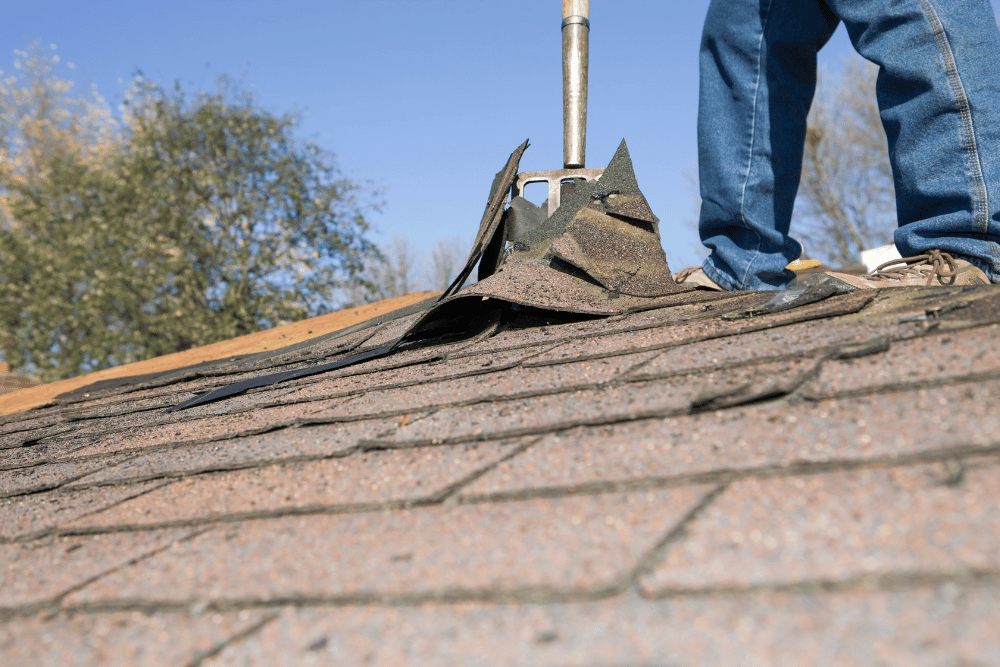
The visible roofing material is only one part of an old house roof replacement. Once the existing layers are removed, the condition of the decking, framing, flashing, ventilation, and previous repair work becomes much clearer.
Multiple Roof Layers
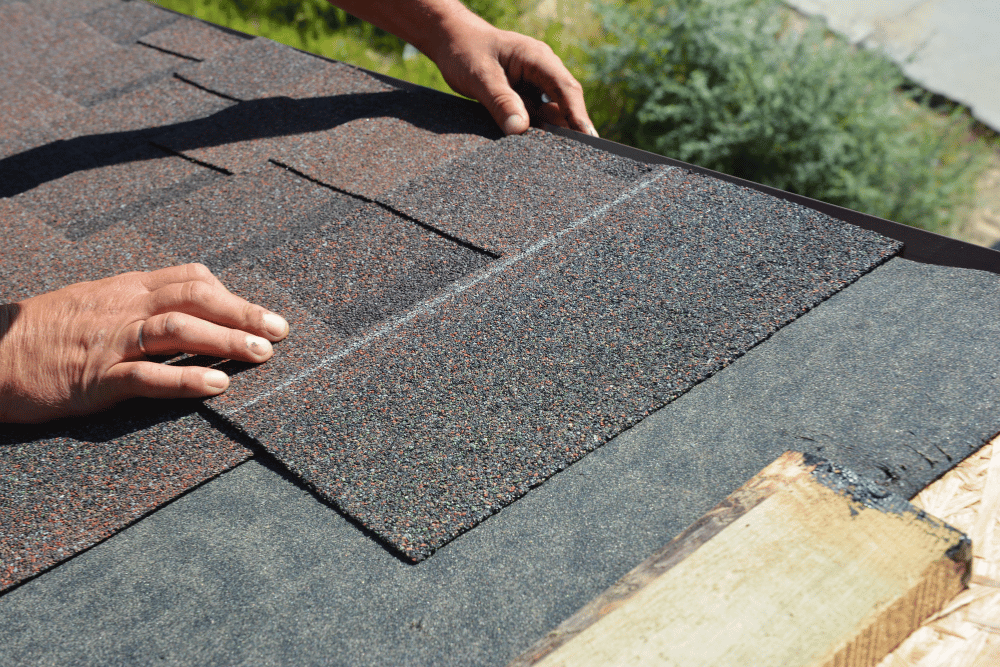
Older homes may have several generations of shingles or other roofing materials installed over one another. These layers add weight, conceal deterioration, and must often be removed before the underlying roof can be evaluated properly.
Spaced Sheathing
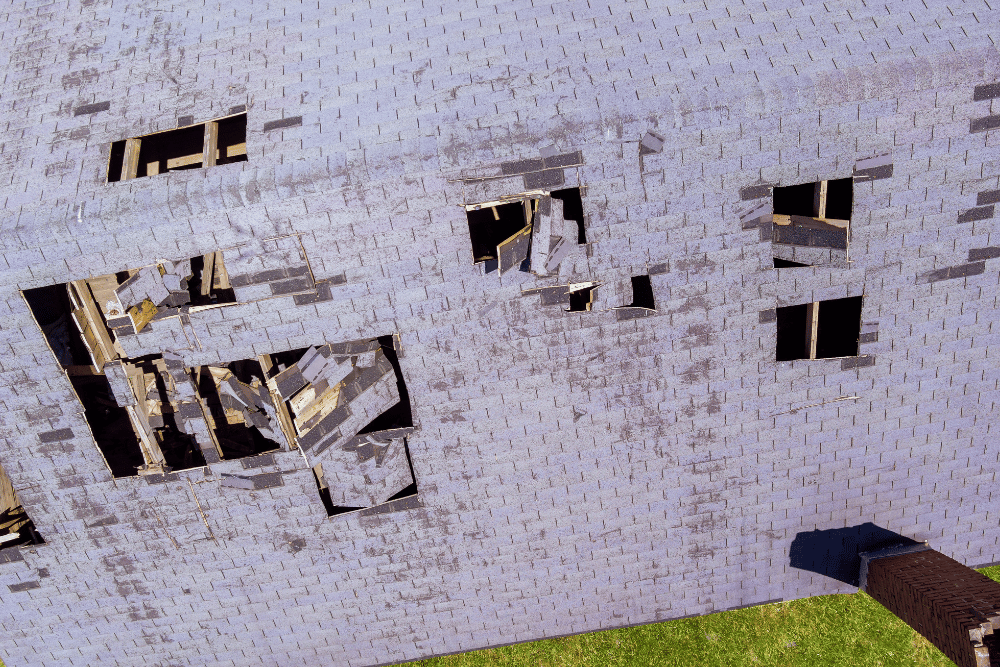
Many historic homes were built with boards installed with gaps between them. This worked with older wood shake systems but does not provide the continuous surface required by many modern roofing products.
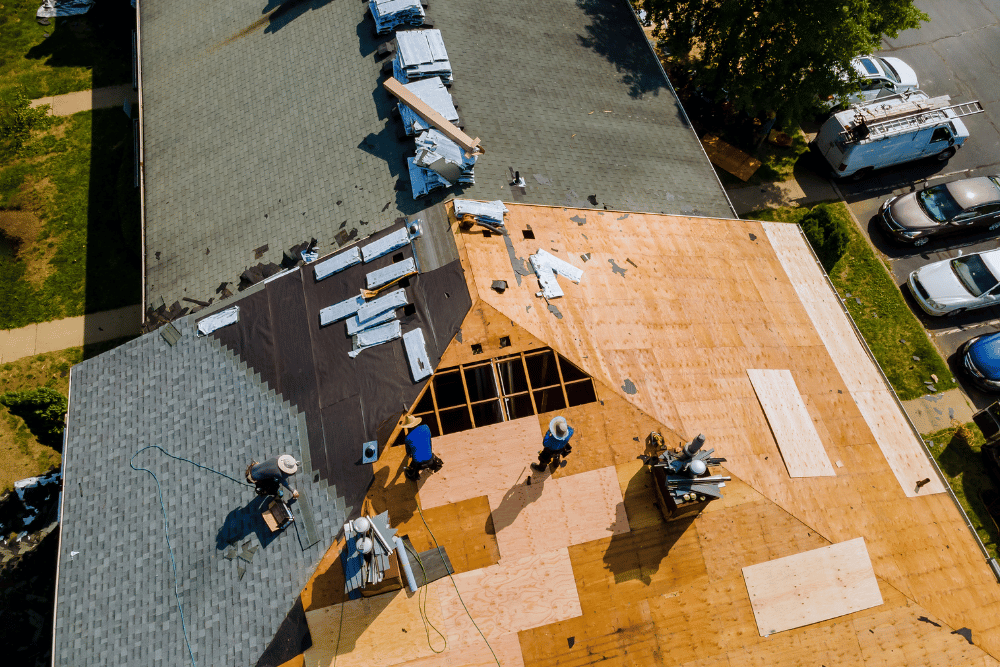
Old Flashing and Repairs
Previous patchwork, aging metal flashing, worn masonry transitions, and outdated roof penetrations can all create hidden vulnerabilities. We evaluate these details rather than installing a new surface over unresolved problems.
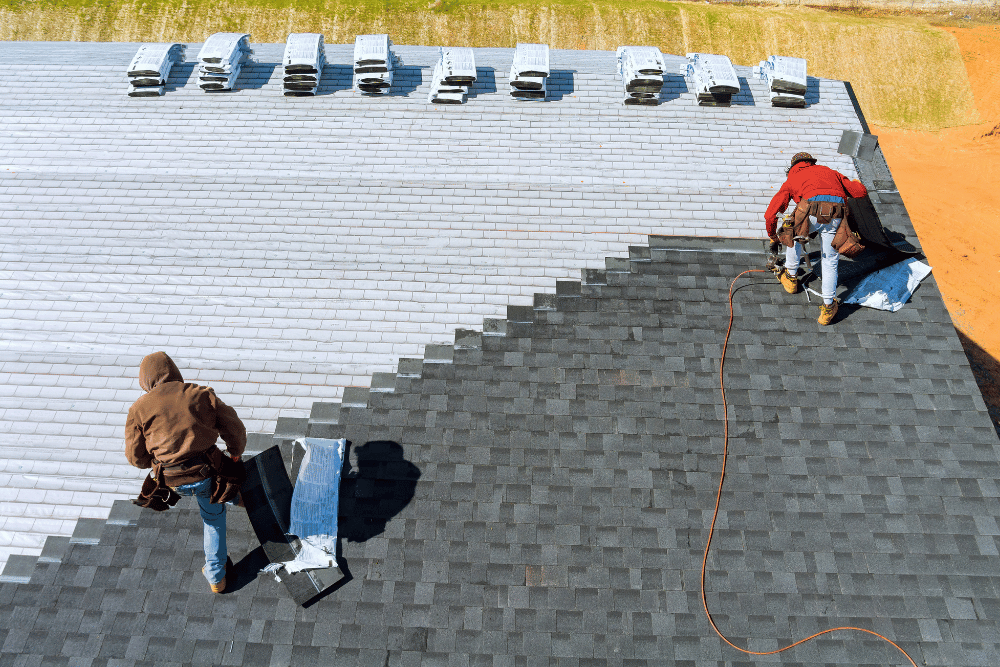
Solving the Hidden Problem of Spaced Sheathing
Many historic Denver homes were originally built with spaced board decking, often using 1×6 boards with gaps between them. That construction was normal for wood shake roofing at the time, but it creates a major issue when installing modern shingles.
As spaced sheathing experts, we remove the old roofing materials, evaluate the existing deck, and install solid OSB or plywood over the vintage structure when required. This creates the continuous surface needed for a modern roofing system and helps bring the installation up to current Denver requirements.
This structural upgrade can affect:
- Roofing product warranty eligibility.
- Permit and inspection approval.
- Fastener placement and holding strength.
- Long-term shingle performance.
- Resistance to wind and weather exposure.
- The overall stability of the new roof system.
This is not an area for shortcuts. We handle the roof deck correctly because the performance of everything installed above it depends on that foundation.
Historic Appearance Without Historic Weaknesses
Modern roofing materials can recreate the texture, dimension, and visual weight of older roof styles while providing better resistance to hail, wind, sunlight, moisture, and changing temperatures.
Material Choices Built for Denver
We balance architectural compatibility with the demands of Colorado weather. The selected roofing material should complement the house while providing dependable protection through hailstorms, snow, high UV exposure, and freeze-thaw cycles.
Material Matching for Older Roof Styles
Many homeowners worry that replacing the roof will cause their house to lose its historic look. That is a fair concern, and it is one we take seriously. We help source architectural and synthetic materials that recreate the texture and visual weight of older roofing styles while offering modern durability.
Depending on the home, that may mean selecting materials that echo the look of:
- Old cedar shake roof profiles.
- Traditional slate roof texture and shadow.
- Historic clay tile roof character.
- Classic dimensional shingle lines.
- Period-appropriate colors and blends.
For homes suited to shingles, modern architectural asphalt roofing can provide dimensional depth while improving durability and weather resistance.
Properties with existing clay or concrete profiles may require specialized guidance from an experienced tile roofing to preserve the home’s established appearance.
Denver Code and Landmark Compliance
Older homes can involve more than construction challenges. Roof replacement may also require permits, inspections, documentation, and historic preservation review depending on the property’s designation and location.
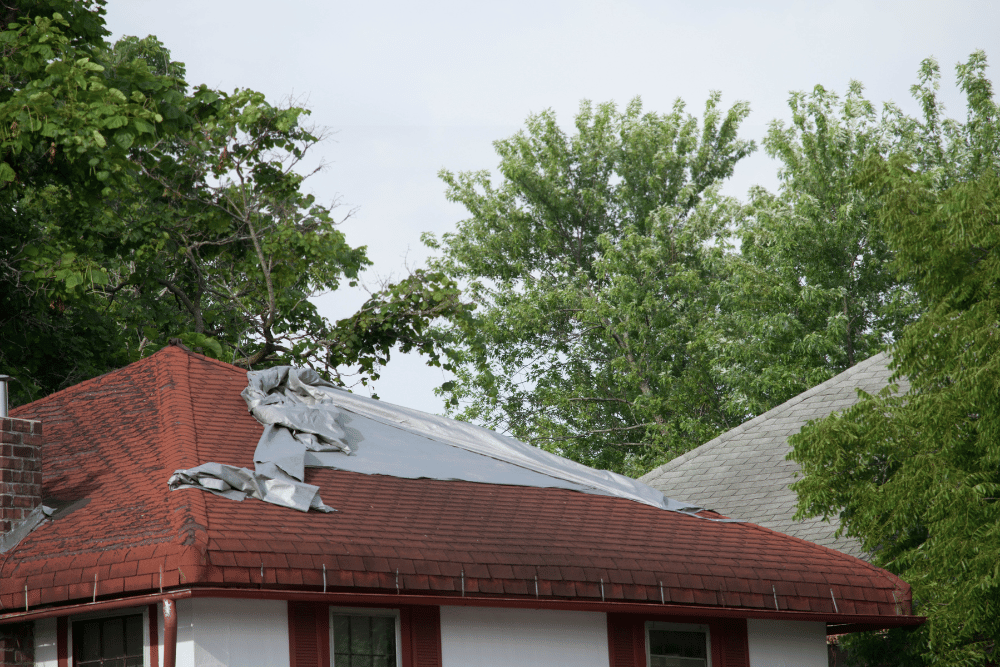
A Clearer Path Through the Approval Process
Every roof replacement in Denver requires appropriate permitting and inspections. Some historically significant properties may also need review through Denver Landmark Preservation.
We understand how to prepare roofing specifications, material profiles, colors, and project details in a way that supports the review process. When a Certificate of Appropriateness is required, we help homeowners understand what information may be needed before work begins.
- Roof replacement permit coordination.
- Material and color documentation.
- Roof profile and specification preparation.
- Inspection readiness.
- Landmark review support when applicable.
- Code-compliant roof decking upgrades.
More Than Just Shingles
A complete old house roof replacement involves more than installing the field roofing material. We also address the details that frequently cause problems on older properties, including flashing, valleys, masonry tie-ins, porch transitions, attic ventilation, and low-slope roof sections.
Our services for older Park Hill homes can include:
- Multi-layer roofing tear-offs.
- Spaced sheathing retrofitting.
- Structural decking replacement and reinforcement.
- Classic masonry and counter-flashing work.
- Roof and attic ventilation modernization.
- Low-slope material installation for additions and porches.
- Complete roofing installation for historic properties.
- Careful material and color matching.
Low-slope additions and porch roofs may require a different system than the home’s main pitched roof. Our experience with low-slope roof systems helps us create dependable transitions between those areas.
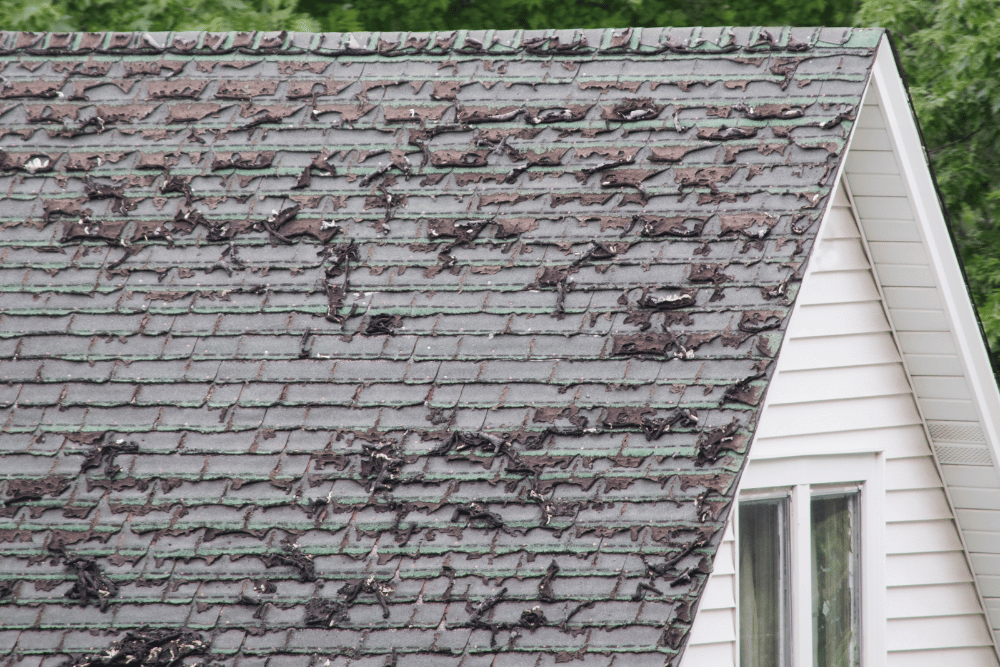
Damage on an Older Roofing System
Storm damage can expose weaknesses that have been developing for years. Missing materials, fractured shingles, damaged flashing, or water intrusion may reveal that the existing roof no longer provides a reliable foundation for another small repair.
When severe weather contributes to the failure, our storm damage roof services help document both the immediate damage and the condition of the surrounding roof.
Leaks That Reveal Larger Problems
Repeated leaks, saturated decking, failing flashing, and years of patchwork can indicate that the roofing system has reached the point where replacement is more dependable than another isolated repair.
If water is currently entering the home, our rapid roof leak mitigation can help protect the interior while the older roof is evaluated.
A Clear Roof Replacement Process
Historic Roof Evaluation
We inspect the roofing material, decking, flashing, ventilation, rooflines, additions, chimneys, and other architectural details.
Material and Structure Review
We identify existing layers, spaced sheathing, damaged decking, structural concerns, and roof sections that may require different materials.
Replacement Plan
We prepare a clear scope covering tear-off, decking upgrades, ventilation, flashing, materials, permits, and architectural considerations.
Careful Tear-Off and Preparation
Our crew removes the existing materials while protecting the house, landscaping, masonry, and surrounding property.
Modern Roof Installation
We install the new roofing system with the correct underlayment, flashing, ventilation, decking, and weather protection for the home.
Final Inspection and Cleanup
We review the completed work, clear the site, and make sure the new roof is ready to protect the home through future Front Range weather.
Why Park Hill Homeowners Choose Quality Roofing Co.
Homeowners choose us because they want a roofing company that understands historic construction, Denver weather, neighborhood architecture, and the importance of doing hidden structural work correctly. We combine preservation-minded planning with modern roofing practices so older homes can retain their character while gaining dependable protection.
Old House Roof Replacement in Park Hill
Our team replaces aging roofing systems throughout North Park Hill, South Park Hill, and Northeast Park Hill. Homeowners trust us for:
- More than 15 years of Denver roofing experience.
- A preservation-first approach to historic homes.
- Spaced sheathing and roof decking upgrades.
- Multi-layer roofing tear-offs.
- Careful material, profile, and color matching.
- Permit and inspection coordination.
- Landmark review guidance when required.
- Modern ventilation and weather protection.
- Licensed and insured structural roofing work.
- Clear communication throughout the project.
Frequently Asked Questions
Spaced sheathing is an older style of roof decking made from boards installed with gaps between them. It was commonly used beneath wood shake roofs, but modern shingles generally require a continuous solid surface. Older homes may need plywood or OSB installed over the original boards before the new roofing system can be installed correctly.
Not when material selection and installation details are handled carefully. We help homeowners choose modern roofing products that reflect the texture, color, profile, and dimensional appearance of historic materials while improving durability and weather resistance.
Every roof replacement in Denver requires the appropriate permits and inspections. Some designated historic properties may also require review through Denver Landmark Preservation. We can help homeowners understand the roofing details and documentation that may be needed for the project.
Yes. We help homeowners explore modern roofing materials designed to recreate the appearance of traditional slate, cedar shake, clay tile, and dimensional shingle systems. The best option depends on the home’s architecture, structural capacity, preservation requirements, and budget.
Yes. Multi-layer tear-offs are common on older homes. We remove the existing materials, inspect the decking and structure below, and identify any repairs or upgrades needed before installing the new roofing system.
Protect Your Historic Home With Roofing Done the Right Way
Older homes deserve more than a basic roofing approach. They need a contractor who understands their structure, architectural style, and the city requirements that may come with working on them. At Quality Roofing Co., we provide preservation-focused roof replacement, code-compliant decking upgrades, careful material matching, and long-term weather protection backed by more than 15 years of Denver experience.
Whether your home has aging shingles, hidden spaced sheathing, multiple roof layers, or a historic profile that requires careful planning, our team is ready to help protect its character while giving it the strength of a modern roofing system.