
Choosing a new roof is about more than curb appeal. In Colorado, where homeowners deal with intense sunshine, snowy winters, hailstorms, and rapid temperature changes, your roof color can directly impact your home’s comfort and energy efficiency.
Many homeowners planning a roof replacement wonder whether there is truly a best roof color for energy efficiency. The answer depends on several factors, including your roofing material, attic ventilation, insulation, and the amount of direct sunlight your home receives throughout the year.
At Quality Roofing Co, we help homeowners choose durable roofing systems designed for Colorado’s unique climate. Below, we explain how roof color affects energy performance, what homeowners should know about cool roofing in Colorado, and which options may provide the best long-term energy savings.
How Roof Color Impacts Energy Efficiency
Roof color affects how much heat your home absorbs from the sun. Lighter-colored roofs reflect more sunlight, while darker roofs absorb and retain more heat.
Because Colorado sits at a higher elevation with strong year-round UV exposure, roof surfaces can become extremely hot during summer months. This heat can transfer into the attic and force cooling systems to work harder.
How Different Roof Colors Perform
- Light-colored roofs reflect more sunlight and reduce heat absorption
- Darker roofs retain more solar heat throughout the day
- Reflective roofing materials can help lower attic temperatures
- Proper ventilation improves overall roof energy performance
Choosing an energy efficient roof color can help homeowners reduce indoor heat buildup and improve comfort during hot Colorado summers.
What Is Cool Roofing in Colorado?
The term cool roofing refers to roofing systems designed to reflect more sunlight and absorb less heat than traditional roofing materials.
These roofing systems often use reflective coatings, specialized shingles, or lighter-colored surfaces to improve energy efficiency and reduce roof surface temperatures.
Benefits of Cool Roofing Systems
- Reduced attic heat buildup
- Lower cooling costs during summer
- Improved indoor comfort
- Reduced strain on HVAC systems
- Potentially longer roofing lifespan
Modern roofing manufacturers now offer a variety of stylish roofing products with reflective technology, giving homeowners more design flexibility without sacrificing energy performance.
Are Light-Colored Roofs Better for Colorado Homes?
In many cases, lighter roofing colors offer better energy efficiency because they reflect more sunlight away from the home. This can help lower attic temperatures and reduce cooling demands during warmer months.
However, Colorado’s climate creates a unique balance because homeowners also experience cold winters and snow accumulation.
Advantages of Light Roof Colors
- Reflect more solar heat
- Help reduce summer cooling expenses
- Improve indoor comfort during hot weather
- Reduce roof surface temperatures
Potential Drawbacks of Light Roof Colors
- May show dirt or debris more easily
- Can reduce passive solar warmth in winter
- Some homeowners prefer darker exterior aesthetics
For many homeowners, neutral colors like light gray, weathered wood, beige, or soft tan provide an ideal balance between energy efficiency and curb appeal.
Roof Color Comparison for Energy Efficiency
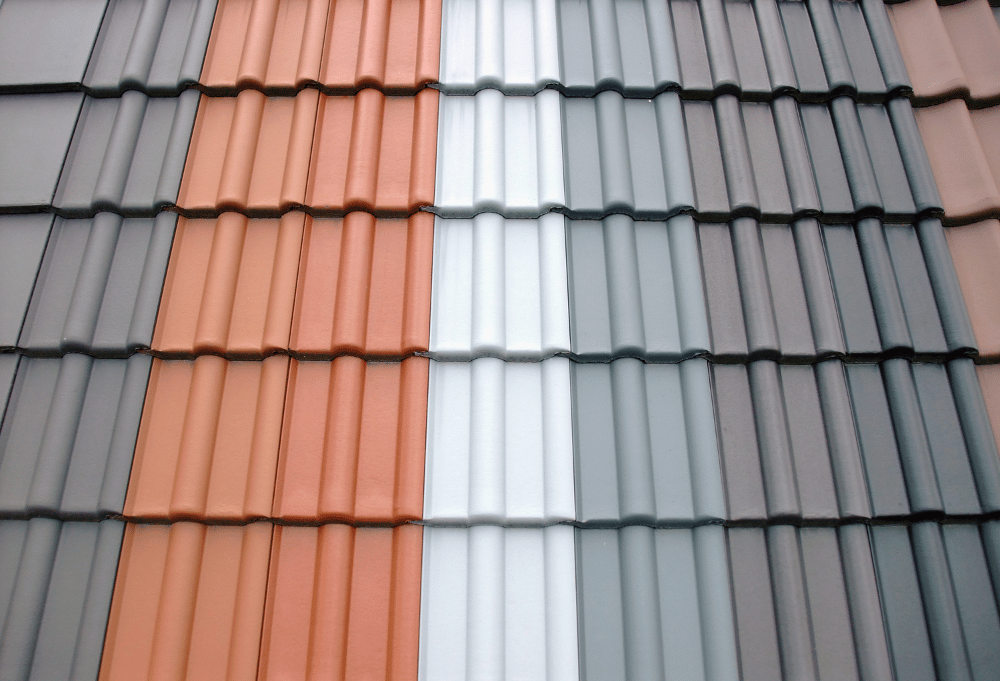
| Roof Color | Heat Absorption | Energy Efficiency Benefits | Best For |
|---|---|---|---|
| White / Light Beige | Low | Reflects the most sunlight and helps reduce attic heat | Homes with heavy summer sun exposure |
| Light Gray | Low to Moderate | Provides strong roof color energy savings with versatile curb appeal | Balanced residential roofing designs |
| Weathered Wood | Moderate | Offers moderate reflectivity while maintaining a traditional appearance | Classic residential roofing styles |
| Brown / Dark Gray | Moderate to High | Absorbs more heat but may still perform efficiently with reflective technology | Homes prioritizing darker aesthetics |
| Black | High | Absorbs the most heat and may increase cooling demand without proper ventilation | Homes with excellent insulation and ventilation systems |
While roof color plays an important role, homeowners should remember that ventilation, insulation, and roofing material quality all contribute to overall energy efficiency.
Do Dark Roofs Increase Energy Bills?
Dark-colored roofs absorb more solar radiation, which can raise attic temperatures during summer months. Without proper insulation and ventilation, this trapped heat can make cooling systems work harder and potentially increase energy costs.
However, roof color alone does not determine energy efficiency. A properly installed roofing system includes multiple components working together to improve performance.
Factors That Affect Roof Energy Savings
- Roof color
- Roof ventilation
- Attic insulation
- Roofing material type
- Reflective roofing technology
- Sun exposure and home orientation
In many cases, even darker roofing systems can perform efficiently when paired with quality insulation and ventilation.
Best Roofing Materials for Energy Efficiency
Roof color matters, but the roofing material itself also affects heat absorption and overall energy performance.
Popular Energy-Efficient Roofing Materials
- Metal roofing with reflective coatings
- Cool asphalt shingles
- Concrete and clay tile roofing
- Synthetic composite roofing systems
Many modern roofing materials in Denver are now manufactured with advanced reflective technology that improves solar reflectance without limiting homeowners to only light-colored roofs.
How Reflective Roofing Improves Efficiency
Reflective roofing systems are specifically designed to redirect sunlight away from the roof surface. These systems use reflective granules, coatings, or specialized materials to reduce heat absorption.
Benefits of Reflective Roofing
- Reduced roof surface temperatures
- Lower cooling costs
- Improved indoor comfort
- Reduced thermal expansion and contraction
- Potentially longer roof lifespan
Reflective roofing can be especially beneficial for homes with significant sun exposure or large roof surfaces throughout the day.
Does Roof Color Matter During Colorado Winters?
Some homeowners assume darker roofs are better during winter because they absorb more warmth from the sun. While darker roofs may provide some additional heat absorption, the impact on overall heating costs is often fairly small.
Winter energy efficiency depends more heavily on:
- Attic insulation quality
- Air sealing throughout the home
- Ventilation performance
- Window efficiency
- HVAC system performance
Because Colorado experiences strong sunshine and warm summer temperatures, many homeowners find that lighter or reflective roofing systems provide better year-round energy savings overall.
Popular Energy Efficient Roof Colors in Colorado
Homeowners no longer need to choose bright white roofing to improve energy performance. Modern roofing products are available in a wide range of attractive colors with energy-efficient technology built into the material itself.
Popular Energy Efficient Roof Colors
- Light gray
- Weathered wood
- Beige and tan tones
- Soft brown shades
- Reflective charcoal roofing
These roofing options allow homeowners to balance aesthetics, curb appeal, and roof color energy savings more effectively than ever before.
The Importance of Proper Roof Ventilation
Even the best roof color will not perform efficiently without proper attic ventilation.
Ventilation helps regulate attic temperatures, remove trapped moisture, and improve the overall lifespan of residential roofing systems.
Benefits of Proper Roof Ventilation
- Helps reduce attic heat buildup
- Improves energy efficiency
- Prevents moisture-related roof damage
- Supports longer roof lifespan
- Reduces HVAC strain
At Quality Roofing Co, we inspect attic ventilation systems during every roofing evaluation to help homeowners maximize long-term roofing performance.
Choosing the Right Roof for Your Colorado Home
The ideal roof color depends on your home’s design, your aesthetic preferences, and your energy efficiency goals.
Questions to Ask Before Choosing a Roof Color
- How much direct sunlight does your roof receive?
- Do you prioritize cooling savings or curb appeal?
- What type of roofing material are you installing?
- Does your HOA limit roofing color options?
- How important is long-term energy efficiency?
Working with experienced residential roofing professionals can help you choose the right combination of roofing material, color, and ventilation for your home.
Final Thoughts on Energy Efficient Roof Colors in Colorado
So, is there a best roof color for energy efficiency in Colorado? In many cases, lighter and more reflective roofing systems help reduce summer heat buildup and improve indoor comfort. However, the most effective roofing system also depends on insulation, ventilation, material quality, and professional installation.
Today’s cool roofing systems provide homeowners with more flexibility than ever before, making it possible to improve energy efficiency without sacrificing curb appeal.
Whether you are considering reflective roofing, upgraded shingles, or a complete roof replacement, choosing the right roofing system can improve comfort, lower energy costs, and help protect your home year-round.
At Quality Roofing Co, we help homeowners throughout the Denver area choose durable, energy-efficient roofing solutions built for Colorado weather. From inspections to complete roof replacement services, our team is committed to delivering high-quality residential roofing systems designed to last.