
Residential Metal Roofing Contractor in Denver, CO
Metal roofing has become one of the most durable and long-lasting options for Denver homes. At Quality Roofing Co., we work as a trusted residential metal roofing contractor in Denver, helping homeowners install, repair, and upgrade roofing systems that are built to handle Colorado’s demanding weather. Whether you are planning a new metal roof or exploring your options, our team focuses on practical guidance and quality workmanship from start to finish.
|
15+ Years of Residential Metal Roofing Experience in Denver |
A+ Rating with the Better Business Bureau |
Proud Colorado Roofing Association Member Since 2010 |
Metal Roofing Built for Denver Homes
Choosing the right roof in Denver means planning for snow, hail, wind, and intense sun exposure. Metal roofing stands out because it offers long-term durability, energy efficiency, and strong resistance to weather damage. Many homeowners turn to metal when they are ready to invest in a roofing system that lasts longer than traditional materials.
As a local metal roofing company, we help you evaluate options, compare materials, and decide if a metal roof is the right fit for your home. From design to installation, we keep the process clear and focused on long-term performance.
Our residential metal roofing services in Denver are designed to deliver durability, efficiency, and a clean finished look that holds up over time.
Metal Roofing Built for Denver’s Climate
Denver’s weather can be unpredictable, and roofing materials need to handle everything from heavy snow to intense summer sun. Metal roofing systems are designed to shed snow efficiently, resist hail damage, and stand up to high winds. With proper installation, a seamless metal roof can provide decades of reliable performance with minimal maintenance.
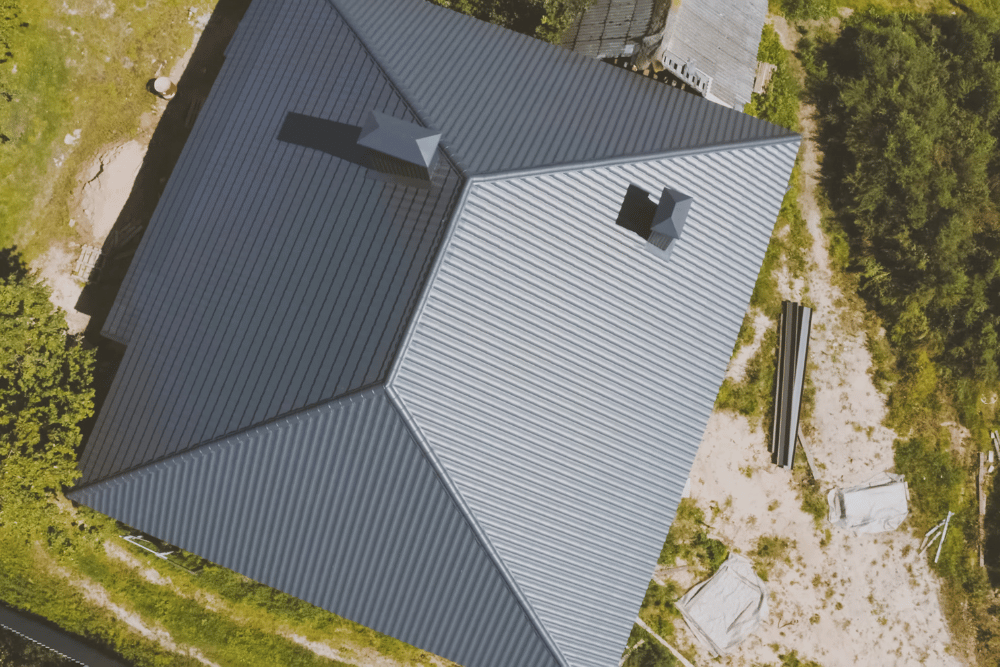
New Metal Roof Installation
Installing a new metal roof requires precision and experience. We handle everything from layout and fastening systems to flashing and ventilation, ensuring your roof performs as expected. Whether you are upgrading or building new, we install systems designed for long-term durability.
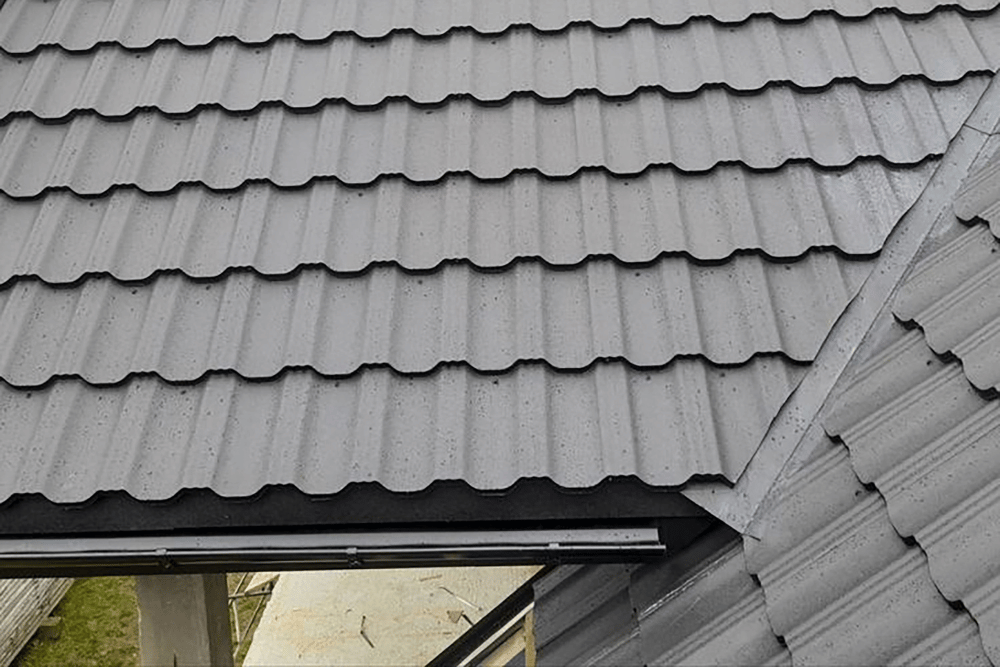
Metal Roof Repairs That Last
Even durable systems can develop issues over time. We provide metal roof repairs for leaks, loose fasteners, damaged panels, and flashing problems. Our goal is to fix the issue correctly and extend the life of your roof without unnecessary replacement.
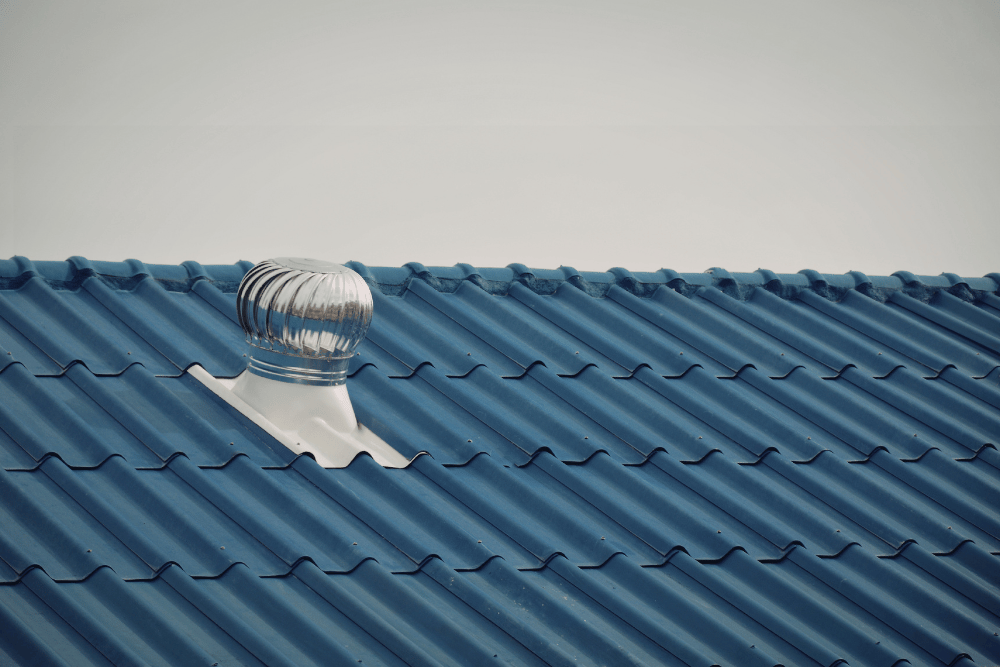
Metal Roofing Materials and Options
We install a variety of metal roofing systems including galvanized roofing sheets, stone coated metal roofing, and corrugated roofing sheets. Each option offers different benefits in terms of durability, appearance, and cost, and we help you choose what fits your home best.
Long-Term Value and Performance
Metal roofing is an investment that pays off over time. While upfront costs may be higher than some materials, the extended lifespan and lower maintenance needs often make it a smart long-term choice. We provide clear pricing and a detailed metal roof estimate so you understand exactly what to expect.
A Clean, Seamless Look
Many homeowners prefer the modern appearance of a seamless metal roof. These systems reduce exposed fasteners, improve durability, and create a clean finished look that complements a wide range of home styles.
Why Homeowners Choose Quality Roofing Co.
Homeowners choose us for metal roofing in Denver because we combine experience with practical guidance. As a local Denver roofing company, we understand what it takes for roofing systems to perform in this environment. Our team focuses on clear communication, reliable timelines, and quality workmanship from start to finish.
Residential Metal Roofing Services
When homeowners in Denver need a residential metal roofing contractor, they come to Quality Roofing Co. Our metal roofing services include:
- New metal roof installation for residential properties.
- Metal roof repairs for leaks, damage, and wear.
- Installation of galvanized and coated metal roofing systems.
- Corrugated roofing sheets and custom panel systems.
- Seamless metal roof systems for long-term durability.
- Roof inspections and maintenance.
- Storm damage repairs and reinforcement.
- Clear and detailed metal roof estimates.
Frequently Asked Questions
Late spring through early fall is the best general window for metal roof installation in Denver. Dry weather and mild temperatures make it easier to handle panels and install the layers beneath them.
Metal roofing can also be installed in colder weather when conditions meet the requirements for the underlayment, sealants, and other components. We plan around the forecast, and an active leak should be checked right away rather than left until a preferred season.
Denver’s temperature swings make metal roofing expand and contract, so the roof needs connections that accommodate that movement. Sun, snow, and moisture also test the finish and waterproofing details throughout the year.
- Temperature changes: Proper fastening and flashing help prevent stress as panels heat up and cool down.
- Sun exposure: A suitable protective finish helps the metal withstand weathering.
- Winter moisture: Sound seams, flashing, and drainage keep melting snow moving off the roof.
Those installation details are just as important as the metal you choose.
Hail can dent metal panels, and strong wind can lift panels or loosen roof edges if the attachment fails. The important question after a storm is whether the roof still keeps water out.
- Hail: Dents may be cosmetic, but severe impacts can damage finishes, seams, or other vulnerable areas.
- Wind: Secure fasteners, clips, and edge details help hold the system in place.
- After a storm: An inspection checks for both visible damage and problems around connections.
A dent doesn’t automatically mean you need a replacement, but it deserves a closer look when other damage is present.
Yes, quality metal roofing performs well in Colorado’s hail and snow when properly selected and installed. The key factors are impact resistance, the complete roof assembly, and snow management.
- Hail: Look for products tested to UL 2218 Class 4, the highest impact-resistance classification under that test. The rating addresses resistance to cracking and related damage, not a guarantee against dents.
- Snow load: Smooth metal sheds snow readily, but the building’s framing and roof deck determine how much weight the structure can support.
- Snow retention: A properly designed snow-retention system helps control sliding snow above entrances, walkways, and other exposed areas.
No roof is immune to severe storms, but a suitable metal system with proper structural support is a durable choice for Colorado homes.
Roof size, roof complexity, and the metal system you choose have the biggest effect on price. Steep slopes, multiple valleys, and custom details add installation time.
- Materials: Metal type, panel thickness, profile, and finish affect the price.
- Preparation: Removing old roofing and replacing damaged decking add work.
- Installation: Custom panels, concealed fasteners, and detailed flashing require additional labor.
- Accessories: Snow-retention systems and other roof-specific components belong in the estimate.
We look at the whole job so you can compare complete roofing systems, not just panel prices.
Yes, metal roofing is a worthwhile investment for homeowners who want a durable roof and plan to keep their home long term. Its long service life is the main reason to consider paying more upfront.
Metal typically costs more to install than asphalt shingles, so compare the installed price with the maintenance needs, warranty, and expected service life of the actual products. It’s a stronger value when those benefits match how long you expect to own the home.
Some companies charge more because they’re quoting different materials, installation methods, or amounts of work. A basic exposed-fastener roof and a custom standing seam roof aren’t the same job.
- Product specifications: Compare metal type, thickness, finish, and panel design.
- Included work: Check for tear-off, decking repairs, underlayment, flashing, and snow retention.
- Installation and coverage: Compare the installation details and workmanship warranty.
Ask what each price includes. A higher quote doesn’t automatically mean better work, but a lower quote may leave out something your roof needs.
Repair your existing roof when the damage is limited and the rest of it is in good condition. Consider replacing it with metal when it’s worn out and you’re ready to invest in a longer-lasting roofing system.
If you already have a metal roof, a flashing leak, loose fastener, or damaged panel may only need a targeted repair. We check the condition of the roof before recommending replacement so you don’t replace useful materials unnecessarily.
Hire a pro for metal roof installation and substantial repairs. Accurate measurements, proper fastening, and well-fitted flashing make the difference between a roof that sheds water and one that leaks.
Panels also need room to expand and contract, and the fasteners and sealants must be compatible with the system. Large panels are difficult to handle, especially in wind, and metal surfaces become slippery when wet. Installation mistakes can damage materials and affect warranty coverage.
The main differences are panel style, fastening method, metal type, and finish. These affect the roof’s appearance, price, and maintenance needs.
- Standing seam: Raised seams with typically concealed fasteners give the roof a clean, continuous look.
- Corrugated or ribbed panels: Many use exposed screws, so the fasteners and their seals need periodic attention.
- Stone-coated metal: Textured profiles offer the look of shingles, shakes, or tile.
- Metal and finish: Steel, aluminum, and other metals have different properties and prices. Galvanized refers to a zinc coating that protects steel, not a panel shape.
We help you compare the complete system so the choice fits your home’s design and the maintenance you’re comfortable with.
Impact-resistant metal is a strong choice for resisting hail punctures, while impact-resistant asphalt shingles offer a lower-cost alternative. The better choice for your home comes down to the specific products and how you weigh appearance, protection, and price.
- Metal: Panels can remain watertight after hail leaves visible dents.
- Asphalt: Hail can remove granules or crack shingles, so compare impact-resistant products and independent hail ratings where available.
- Both: Check tested performance and installation requirements instead of assuming every product in either category performs the same.
No material wins against every storm. We can compare suitable options without treating a hail rating as a damage-proof guarantee.
Metal roofing uses overlapping or interlocking panels or shingles to direct rain and snowmelt down the roof. Seams, flashing, and the layers underneath work together to keep water out.
- Panels or shingles: These form the outer weather-resistant surface.
- Underlayment: A protective layer underneath provides backup moisture protection.
- Flashing: Carefully fitted details direct water away from walls, chimneys, valleys, and vents.
- Attachment: Fasteners or clips hold the system in place while allowing the movement the roof design requires.
During installation, we also check the decking and address damaged areas before covering them.
Recurring leaks, loose panels, open seams, and significant corrosion are signs your metal roof needs attention. Worn fastener seals and damaged flashing also create paths for water to get inside.
- Inside: Look for ceiling stains or moisture in the attic.
- At connections: Loose screws, deteriorated seals, and separated flashing deserve inspection.
- Across the surface: Extensive corrosion or storm damage calls for a closer assessment.
A single problem doesn’t automatically mean replacement. An inspection helps determine whether a repair will restore reliable protection.
A properly installed metal roof is built to last for several decades, so replacement should be an infrequent expense. Its condition is more useful than age alone when deciding whether it’s time for a new one.
The metal, finish, installation, and storm exposure all affect its lifespan. Follow the manufacturer’s maintenance guidance and have damage checked promptly. Localized repairs can keep a sound roof in service, while widespread deterioration points toward replacement.
Putting off needed metal roof work increases the risk of leaks, interior damage, and more expensive repairs. Loose panels or flashing can also become more vulnerable during the next storm.
- Water damage: Leaks can reach decking, insulation, ceilings, and walls.
- Corrosion: Unaddressed corrosion can spread and weaken affected areas.
- Storm damage: Existing loose connections can give wind an opening to cause more damage.
If your current roof is sound and you’re simply considering an upgrade to metal, there’s less urgency. We can help distinguish an optional improvement from work your roof needs now.
Reliable Metal Roofing Starts With the Right Roofing Contractor
If you are considering metal roofing for your home, Quality Roofing Co. is here to help. From new installations to repairs, as a local roofing contractor in Denver, we focus on delivering durable, high-quality roofing systems that perform in Denver’s climate.