
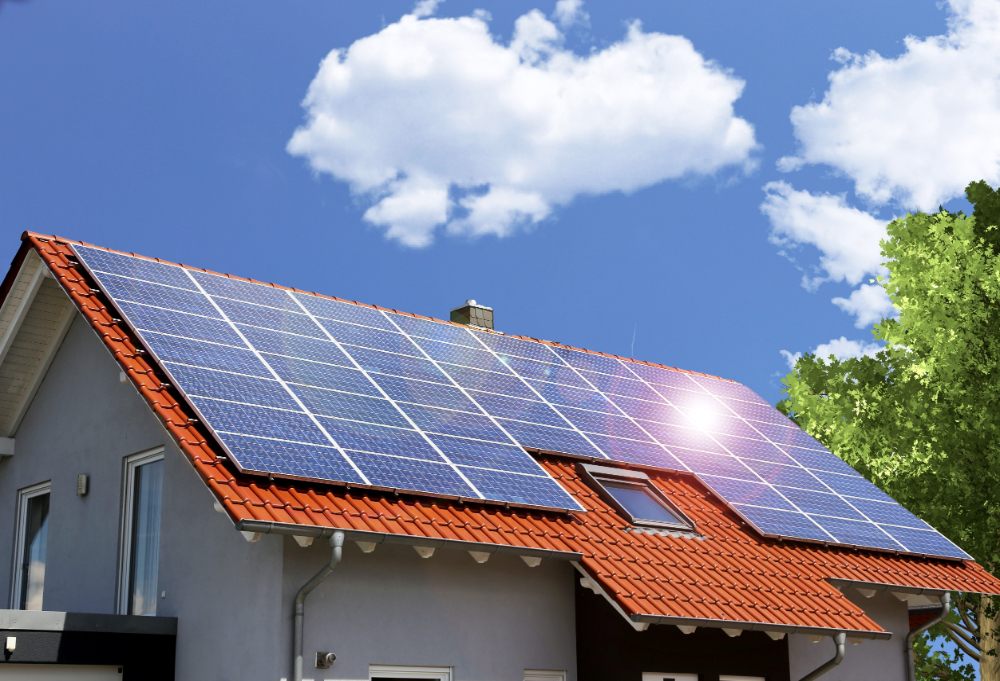
When you own a home in Denver, Colorado, you’re sitting on one of the sunniest locations in the United States. With over 300 days of sunshine annually, your roof becomes more than just protection from the elements; it becomes a potential powerhouse for renewable energy. If you’re considering solar panel installation, having the right solar-ready roof is the first critical step. This comprehensive guide will help you understand what makes a roof solar-ready and how to prepare your Denver home for this smart investment.
Solar-Ready Roof Installation
Solar-ready roof installation involves preparing your roofing structure to accommodate solar panel systems. This process begins long before the first photovoltaic panel touches your roof. A solar-ready roof installation in Denver requires careful planning, structural assessment, and choosing materials that can support both weather protection and solar technology.
The foundation of any solar-ready roof starts with understanding your home’s structural capacity. Denver’s climate demands roofing materials that can withstand temperature fluctuations, occasional hail, and intense UV radiation. When you’re planning solar-ready roof installation, contractors must evaluate your current roof’s ability to support additional weight from solar panels. This assessment includes checking rafters, trusses, and the overall structural integrity of your home. Professional solar shingle installers in Denver Metro areas typically conduct this evaluation before recommending specific installation approaches.
Your roof’s age and condition matter significantly in the solar-ready equation. Most solar panels have a lifespan of 25-30 years, so your roofing should ideally have a comparable lifespan remaining. If your roof is nearing the end of its life, replacing it before installing solar panels makes financial sense. This approach allows you to start fresh with materials specifically chosen for solar compatibility and long-term performance.
Selecting the Best Roof for Solar Panels
Choosing the best roof for solar panels involves more than just picking a durable material. The optimal roof for solar energy systems must balance durability, weight capacity, aesthetics, and long-term cost effectiveness. In Denver, Colorado, your choice significantly impacts both your solar investment’s success and your home’s resale value.
Asphalt shingles remain the most popular roofing material for solar installations in Denver homes. They offer affordability, easier installation, and proven track records with solar systems. However, metal roofs have gained significant popularity in Colorado, especially among homeowners committed to sustainable living. Metal roofing provides exceptional durability, reflects solar heat to reduce cooling costs, and integrates well with solar panel systems. The lightweight nature of metal roofing actually makes it particularly suitable for solar installations, as it doesn’t add excessive weight to your home’s structure.
For those seeking premium options, solar shingles represent an innovative approach to combining roofing and energy generation. These integrated systems serve dual purposes, eliminating the need for traditional panels mounted on top of your roof. Solar shingles offer a sleeker appearance and create a unified aesthetic that many Denver homeowners appreciate. However, they typically cost more than traditional solar panels mounted on conventional roofing.
Tile roofing, common in Denver’s southwestern architectural styles, can accommodate solar panels, though the installation process requires more careful planning. The weight of tile combined with solar panels demands robust structural support. Slate roofing similarly works with solar systems but requires specialized installation expertise.
Preparing Your Denver Home for Solar Installation
Preparing your Denver home for solar panel installation extends beyond roofing considerations. The entire process requires strategic planning and coordination with qualified professionals. Your home’s orientation, roof pitch, shading patterns, and electrical infrastructure all influence solar readiness.
Start by having a professional solar energy assessment performed on your Denver property. Solar shingle installers in Denver Metro regions typically offer free consultations that evaluate your home’s solar potential. They’ll analyze your roof’s direction, determine how many peak sun hours your location receives, and identify any shading issues from trees or nearby structures. This information directly impacts how many panels you’ll need and where they should be positioned for optimal energy generation.
Next, consider any necessary roof repairs or replacements. If your current roof shows signs of significant wear, leaks, or damage, address these issues before solar installation. Installing solar panels on a compromised roof creates problems down the line and complicates future maintenance. Denver’s weather, including occasional hail storms, can affect roofing integrity, so thorough inspection is essential.
Your electrical system also requires attention. Solar installations require new electrical components including inverters, disconnects, and wiring that must meet current building codes. Many Denver homes have outdated electrical systems that may need upgrades to accommodate solar technology safely and efficiently. Licensed electricians familiar with solar installations should evaluate your current electrical capacity.
Roofing and Solar Panels: Creating a Unified System
The relationship between roofing and solar panels is symbiotic when properly designed. Your roofing system must protect your home while supporting and integrating with solar technology. This unified approach requires coordination between your roofing contractor and solar installers to ensure everything works seamlessly.
In Denver, Colorado, professionals experienced in both roofing and solar panel installation understand how these systems interact. Proper installation includes flashing details that prevent water intrusion around solar panel mounting hardware. The best roof for solar panels includes carefully designed penetrations that maintain your roof’s weather resistance while securely anchoring solar equipment.
Consider timing when planning your roofing and solar panel projects. If both need attention, coordinating them saves money and prevents disruption to your home. Combining projects allows contractors to work efficiently and address structural needs comprehensively. However, if your roof is sound, you can proceed with solar installation immediately without replacement.
Climate considerations specific to Denver and Colorado influence how roofing and solar panels work together. The intense Colorado sun accelerates roofing material degradation over time, making high-quality materials essential. Snow and ice, while less common in Denver than in mountain areas, still require roofing systems designed to shed moisture properly while accommodating solar equipment that could trap snow.
Working with Solar Shingle Installers in Denver Metro
Finding qualified solar shingle installers in Denver Metro areas requires research and verification of credentials. Not all roofing contractors understand solar installation, and not all solar installers understand roofing fundamentals. You need professionals who excel at both disciplines.
When evaluating solar shingle installers in Denver, check their licensing, insurance, and certifications. Colorado requires specific licensing for solar installation work, and reputable contractors proudly display these qualifications. Ask for references from previous Denver-area clients and review their experience with solar-ready roof installation specifically.
The best contractors offer comprehensive packages that address your entire solar-ready roof system. They’ll explain the differences between various roofing materials, discuss how each option works with solar technology, and provide transparent pricing. They should also guide you through available incentives, including federal tax credits and Colorado-specific programs that can significantly reduce your solar investment costs.
Communication matters significantly when working with solar shingle installers in Denver Metro. Your contractor should explain the complete timeline, from initial assessment through final inspection and grid connection. They should address your questions about maintenance, warranty coverage, and long-term performance expectations for both your roof and solar system.
Conclusion
Preparing your Denver home for solar energy through proper solar-ready roof installation positions you to maximize Colorado’s abundant sunshine while protecting your property. By selecting the best roof for solar panels, coordinating roofing and solar panel installation, and working with qualified solar shingle installers in Denver Metro areas, you create a system designed for decades of reliable performance. Your investment in solar-ready roofing today supports both your energy independence and your home’s long-term value in this vibrant Colorado community.
Need a Trusted Roofing Contractor Near You?
At Quality Roofing Co., we’re proud to bring over 15 years of trusted roofing experience to homeowners and businesses across Denver, CO. From quick roof repairs and shingle work to full roof replacements and advanced flat roofing systems, our team delivers durable, detail-driven results you can count on. We’re committed to your satisfaction every step of the way, whether you’re dealing with an unexpected roofing emergency or planning a major renovation. Reach out to us today and let us protect your property with the dependable craftsmanship you deserve.