

Residential Roofing Contractor in Denver, CO
Owning a home in Denver comes with incredible mountain views and a climate that puts your roof to the test year-round. Between intense summer sun, sudden hailstorms, heavy winter snow, and rapid temperature swings, residential roofs across the Front Range endure constant wear. At Quality Roofing Co., we’re a residential roofing contractor in Denver with over 15 years of hands-on local experience, and we understand exactly how Colorado weather impacts your home. We focus on durable, weather-resistant roofing systems and honest, repair-first solutions that help homeowners protect their investment and avoid unnecessary costs.
Residential Roofing Built for Colorado Conditions
Denver’s climate is not forgiving, and residential roofing systems need to be built with that reality in mind. High UV exposure at elevation can break down materials faster, hailstorms can damage shingles in minutes, and snow accumulation can lead to ice dams if ventilation and drainage are not handled properly. As a trusted roofing contractor in Denver, CO, we design and install roofing systems that account for these challenges. Our goal is to give homeowners confidence that their roof is prepared for whatever the weather brings.
Our residential roofing services in Denver are designed specifically to handle these conditions. We focus on durability, proper ventilation, and long-term performance so your roof holds up year after year.
Honest Guidance on Repair Versus Replacement
One of the biggest concerns homeowners have is knowing whether they truly need a roof replacement. We take an honest, straightforward approach to every inspection. If a repair can safely extend the life of your roof, we will explain that option clearly. When replacement is the better long-term solution, we walk you through why and what to expect. Our reputation has been built on trust, not pressure, and that starts with honest recommendations.
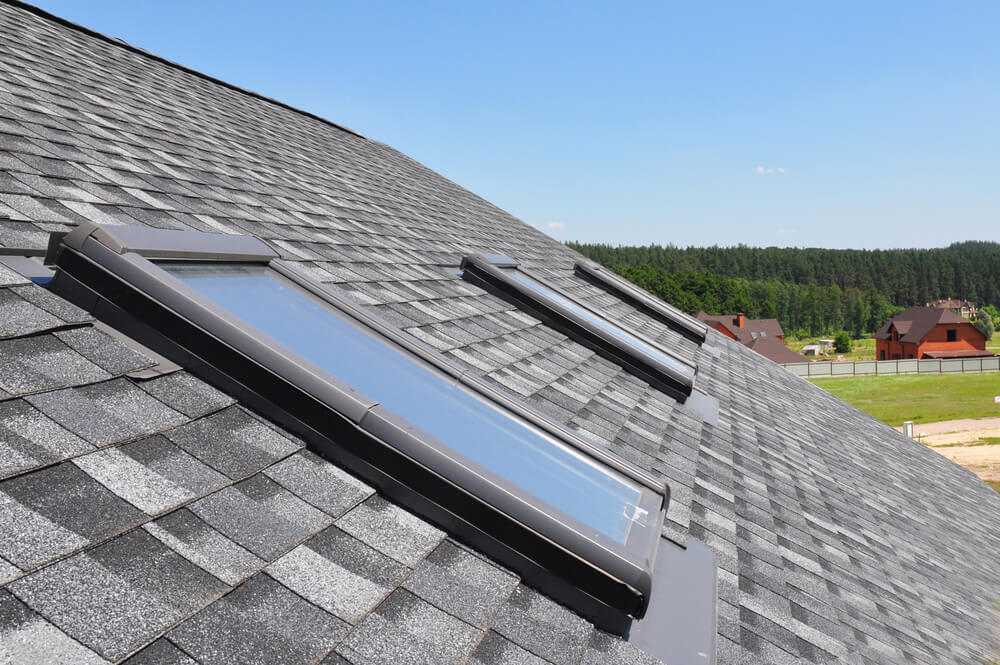
Roof Replacement Services
You Can Rely On
When it is time for a roof replacement in Denver, proper installation makes all the difference. We focus on precision, durability, and attention to detail at every stage of the project. From tear-off and underlayment to flashing and ventilation, each component plays a role in the performance of your new roof. Our team works efficiently while maintaining clean job sites and clear communication, so homeowners always know what is happening and when.
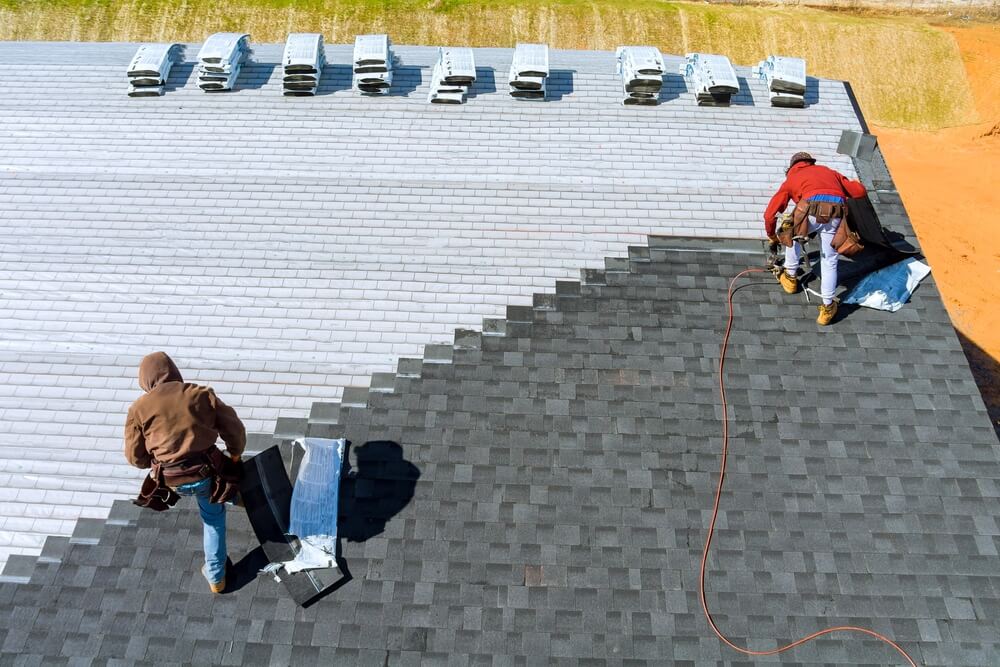
Asphalt Shingle Roofing for Denver Homes
Asphalt shingle roofing in Denver remains one of the most popular choices for residential properties, and for good reason. Modern shingles offer strong performance, visual appeal, and affordability when properly installed. We work with high-quality shingle products designed to withstand hail impact, snow loads, and UV exposure common in Colorado. Whether your home is in Wash Park, Highlands, or Lakewood, we help select shingles that match both your home’s style and the demands of the environment.
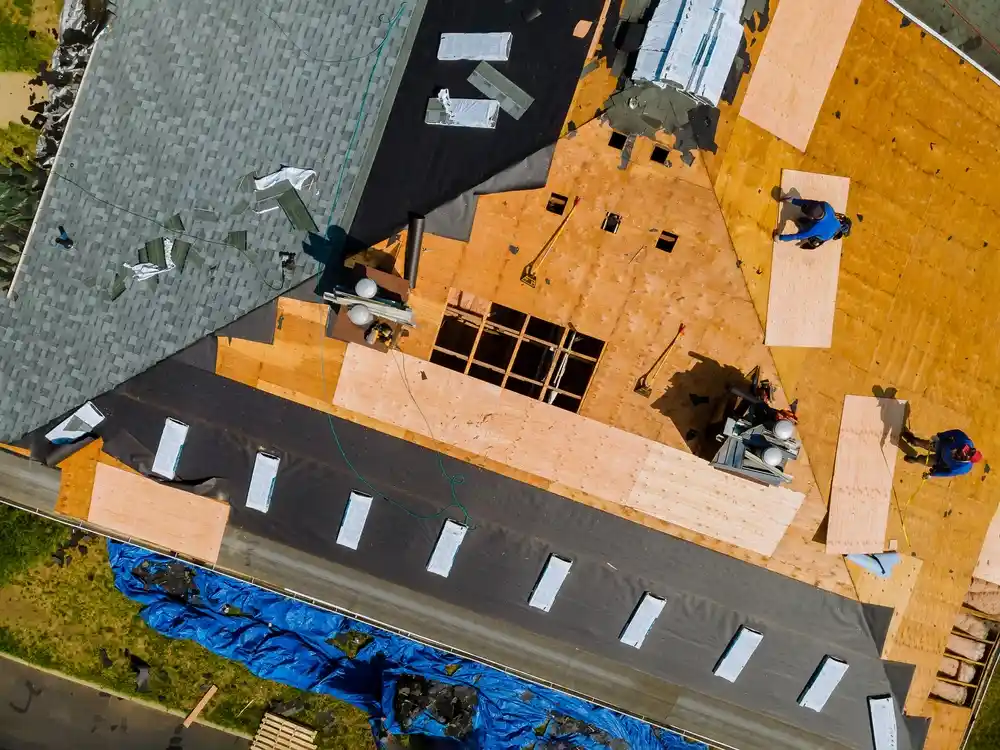
Additional Residential Roofing Options
Every home is different, and some homeowners want options beyond traditional shingles. We also install metal roofing and tile roofing systems for properties that benefit from enhanced durability or a distinctive look. Metal roofing offers excellent longevity and snow-shedding performance, while tile roofing provides long-term strength and visual character. Our team helps homeowners understand the pros and considerations of each system before moving forward.
Denver Roof Inspections and
Ventilation Solutions
A strong roof is more than just what you see from the street. Proper ventilation plays a major role in preventing moisture buildup, regulating attic temperatures, and reducing the risk of ice dams. Our roof inspections evaluate ventilation, flashing, and structural components to ensure everything works together effectively. We also offer roof ventilation solutions and gutter installation to support long-term roof health and performance.
A Clear, Professional
Roofing Process
We believe homeowners deserve clarity from the start. Our residential roofing process begins with scheduling a free roof inspection at a time that works for you. We conduct a thorough on-site evaluation, document our findings if you’re submitting a roofing insurance claim, and provide detailed estimates with clear explanations. Once materials are selected, our experienced crew completes the installation with care and precision. Every project ends with a final walkthrough and quality check to ensure everything meets our standards and yours.
Why Denver Homeowners Choose Quality Roofing Co.
Homeowners choose us because we combine local experience with dependable service. We are locally owned and operated, licensed and insured, and committed to serving Denver homeowners with integrity. With more than 15 years of hands-on residential roofing experience, we understand local building styles, weather patterns, and permit requirements. Clear communication, reliable timelines, and a focus on customer satisfaction guide every project we take on.
Residential Roofing Services in Denver
From roof inspections and targeted repairs to full replacement, Quality Roofing Co. helps homeowners choose the right next step for their roof.
- Roof inspections and repair recommendations.
- Residential roof replacement.
- Asphalt shingle roofing.
- Metal and tile roofing systems.
- Roof ventilation solutions and gutter installation.
Frequently Asked Questions
Late spring through early fall is the best general window for residential roofing in Denver. Dry weather and mild temperatures make installation easier and help temperature-sensitive materials seal or cure properly.
The best day still depends on the forecast and the roofing system you choose. We check the manufacturer’s installation requirements before starting. If your roof is leaking or has storm damage, schedule an inspection now instead of waiting for a better season.
Denver’s sun, temperature swings, and winter moisture put extra wear on residential roofs. The roof covering, flashing, insulation, and ventilation all play a part in protecting your home.
- Sun exposure: UV exposure ages roofing materials and protective finishes over time.
- Temperature changes: Repeated expansion and contraction put stress on connections and seams.
- Snow and ice: Melting snow needs a clear path off the roof. Ice buildup can push water beneath the covering.
We look at the entire system so the work addresses the cause of a problem, not just the visible damage.
Hail damages roof surfaces, while strong wind can loosen or remove roofing materials. Both can leave openings for water to enter your home.
- Asphalt shingles: Hail can knock off granules or crack shingles, and wind can lift or tear them away.
- Metal roofing: Hail can leave dents, while severe impacts or wind damage can affect seams and connections.
- Tile roofing: Impacts can crack or break tiles, and wind can displace tiles when attachment fails.
A roof doesn’t have to leak immediately to have storm damage. An inspection after a major storm helps identify what needs repair.
Roof size, material choice, and installation complexity have the biggest effect on cost. A steep roof with several valleys and chimneys takes more work than a simple roof of the same size.
- Materials: Asphalt shingles, metal, and tile have different material and labor costs.
- Removal: Taking off old roofing adds labor and disposal costs.
- Underlying damage: Damaged decking needs attention before the new roof goes on.
- Roof details: Flashing, ventilation improvements, and work around roof openings affect the total.
Your estimate should explain what’s included and how any hidden damage will be handled.
Yes, investing in needed roofing work is worth the money because it protects your home from water damage and helps you avoid larger repairs later. A sound roof protects the structure, insulation, ceilings, and belongings beneath it.
That doesn’t mean you need a replacement whenever something goes wrong. If a repair will restore dependable protection, that’s the better use of your budget. When the roof is worn out, a properly installed replacement gives you a fresh start with materials suited to your home.
Companies charge different prices because their materials, labor, included work, and warranty coverage differ. Two quotes can look similar at a glance but describe very different jobs.
- Materials: Compare the actual roofing product, underlayment, and flashing specified.
- Scope: Check whether tear-off, disposal, decking repairs, and ventilation work are included or extra.
- Coverage: Review both the workmanship warranty and the manufacturer’s coverage.
Ask each roofer to walk you through the quote. The goal is to compare the same work, not just the final number.
Repair your roof when damage is limited and the rest of it is in good condition. Replace it when widespread wear or recurring problems make further repairs a poor long-term solution.
A few damaged shingles or a leak around flashing often call for a targeted repair. Extensive storm damage, repeated leaks, or worn-out materials across large areas make replacement more practical. We inspect the roof and explain both options before recommending a path forward.
Hire a pro for roof installation and substantial repairs. Roofing requires safe access, correct material installation, and careful waterproofing around areas where leaks commonly start.
Small mistakes in fastening, flashing, or drainage can lead to expensive water damage. The right approach also changes with the roofing material, so experience with one system doesn’t automatically carry over to another. A professional can assess the problem and complete the work to the product’s installation requirements.
The main differences are upfront cost, appearance, expected service life, maintenance, and the type of roof each material suits. Here are the common choices:
- Asphalt shingles: A generally more affordable option with a wide range of colors and styles, including impact-resistant products.
- Metal roofing: A durable, long-lasting option that typically costs more upfront and requires careful fastening and snow-management planning.
- Tile roofing: A distinctive, long-lasting covering that is heavier than many alternatives, so the structure must be suitable for its weight.
- Low-slope systems: Membranes and other flat-roof systems provide waterproof protection where conventional shingles aren’t suitable.
We compare your roof’s slope, structure, exposure, and budget before recommending materials.
Residential roofing works as a complete system that keeps water out and directs it away from your home. The visible roof covering is only one part of that protection.
- Decking: The roof deck supports the roofing materials.
- Protective layers: Underlayment or other layers provide protection beneath the outer covering, depending on the system.
- Flashing: Details around walls, chimneys, valleys, and vents direct water away from vulnerable joints.
- Drainage: The roof’s slope and drainage components carry away rain and snowmelt.
When you hire us, we start with an inspection, explain the repair or replacement options, and provide an estimate. After the work, we complete a final quality check and walkthrough.
Missing or damaged roofing, recurring leaks, and water stains inside your home are clear signs that your roof needs attention. Changes in the roof’s shape or drainage also deserve a closer look.
- Surface damage: Cracked shingles, broken tiles, loose metal panels, or open seams.
- Indoor moisture: Ceiling stains, attic dampness, or leaks after rain or snowmelt.
- Visible deterioration: Heavy shingle granule loss, significant corrosion, or damaged flashing.
- Sagging: A noticeable dip or change in the roofline needs prompt professional assessment.
These signs call for an inspection, not an automatic replacement. We can identify which parts need work and whether a repair is enough.
A residential roof should last for decades, so replacement is an occasional major project rather than routine maintenance. Replace it when the materials are worn out or damage is too extensive for a reliable repair.
The timeline varies with the roofing material, installation, maintenance, and storm exposure. Keep up with inspections and have the roof checked after significant storms. Those checks help you plan for replacement based on its condition instead of waiting for a major leak.
Putting off needed roofing work increases the risk of water damage and a larger repair bill. A small opening can let moisture reach parts of your home that cost much more to fix than the original roof problem.
- Decking and framing: Persistent moisture can damage wood beneath the roof.
- Insulation and interiors: Leaks can soak insulation and damage ceilings or walls.
- Storm vulnerability: Loose or damaged roofing can become worse during the next wind or hailstorm.
An inspection helps establish what’s urgent and what can wait, so you can plan the work without ignoring an active problem.
Roofing Solutions Designed to Protect Your Home
Your roof protects everything beneath it, and in Denver, that protection needs to be dependable. At Quality Roofing Co., we approach residential roofing with experience, honesty, and attention to detail. From roof inspections and asphalt shingle roofing to full roof replacement in Denver, our focus remains on long-term performance and homeowner peace of mind. If you are looking for a residential roofing contractor in Denver who understands Colorado weather and puts quality first, our team is ready to help you protect your home with confidence.