
Small Commercial Roofing Contractor in Denver, CO,
Running a business in Denver already demands your attention. Your roof shouldn’t compete for it. At Quality Roofing Co., we’re a small commercial roofing contractor in Denver focused on keeping things simple, reliable, and built to last. We work with retail spaces, offices, small warehouses, and mixed-use properties, delivering practical roofing solutions that minimize disruption and protect your investment. With a strong understanding of Colorado’s climate, we prioritize durability, clear communication, and straightforward service from start to finish.
Light Commercial Roofing Built
for Denver Conditions
Denver’s weather is tough on commercial roofs. Hailstorms, heavy snow, ice buildup, rapid temperature swings, and intense UV exposure all place stress on roofing systems, especially flat roofs. As experienced roofing contractors, we design and repair systems that can handle these conditions year after year. Our approach emphasizes proper drainage, membrane integrity, and long-term performance so business owners can avoid recurring problems and unexpected expenses.
Our small commercial roofing services are designed specifically to handle these conditions. We focus on durability, proper drainage, and long-term performance so your roof holds up year after year.
Specialists in Small Commercial Roofing
Not every commercial roofing contractor understands the needs of smaller properties. We do. Our team focuses specifically on small commercial roofing projects, where attention to detail and efficient project management make a real difference. Whether your building is near downtown Denver, along Colfax, or in surrounding areas like Lakewood or Aurora, we bring the same level of care and expertise to every job. Our experience allows us to move quickly while maintaining quality and safety.
Flat Roofing Systems Designed to Last
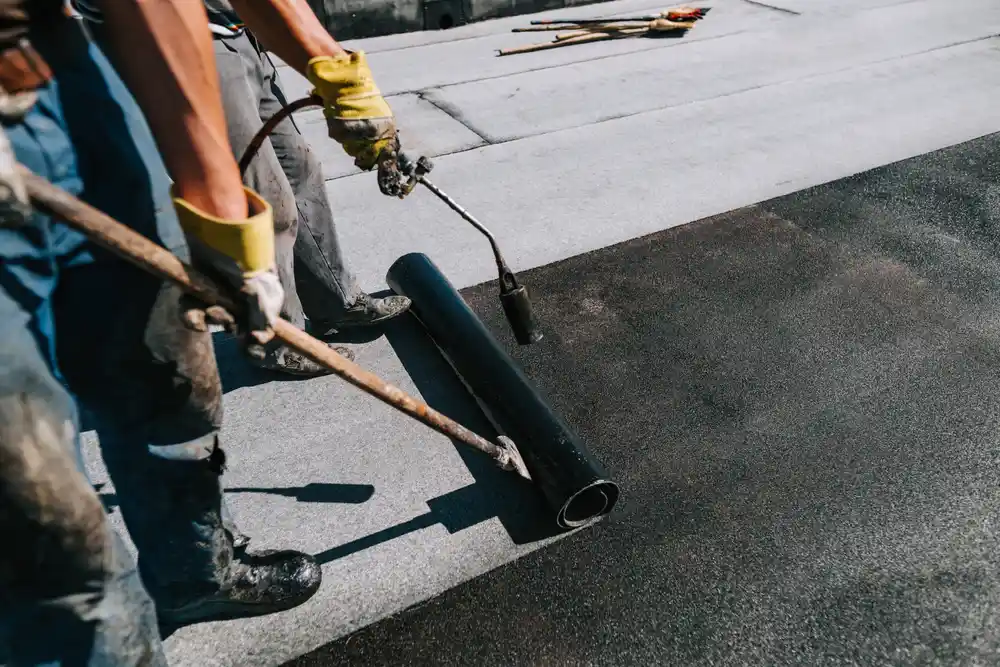
Flat roofing in Denver requires specialized knowledge and materials. Poor drainage, ponding water, and membrane damage are common issues when systems are not installed or maintained properly. We work extensively with flat roofing systems, including EPDM roofing systems, TPO roofing systems, and roof coatings. Each option offers unique benefits, and we help property owners choose the system that best fits their building, budget, and long-term goals.
Commercial Roofing Repair With Minimal Disruption
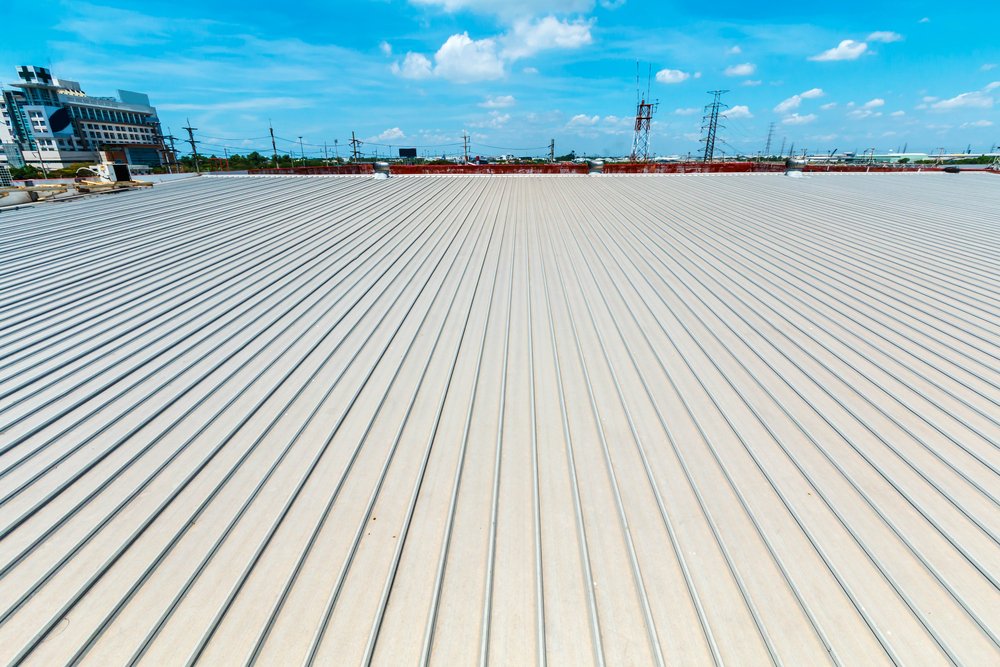
Roofing problems can interrupt business operations if not handled efficiently. Our commercial roofing repair in Denver focuses on resolving issues quickly while minimizing disruption to tenants, employees, and customers. From leak detection and membrane repairs to puncture damage and flashing issues, we take a targeted approach that restores performance without unnecessary downtime. Clear scheduling and communication ensure you always know what to expect.
Preventative Maintenance That Reduces Long-Term Costs
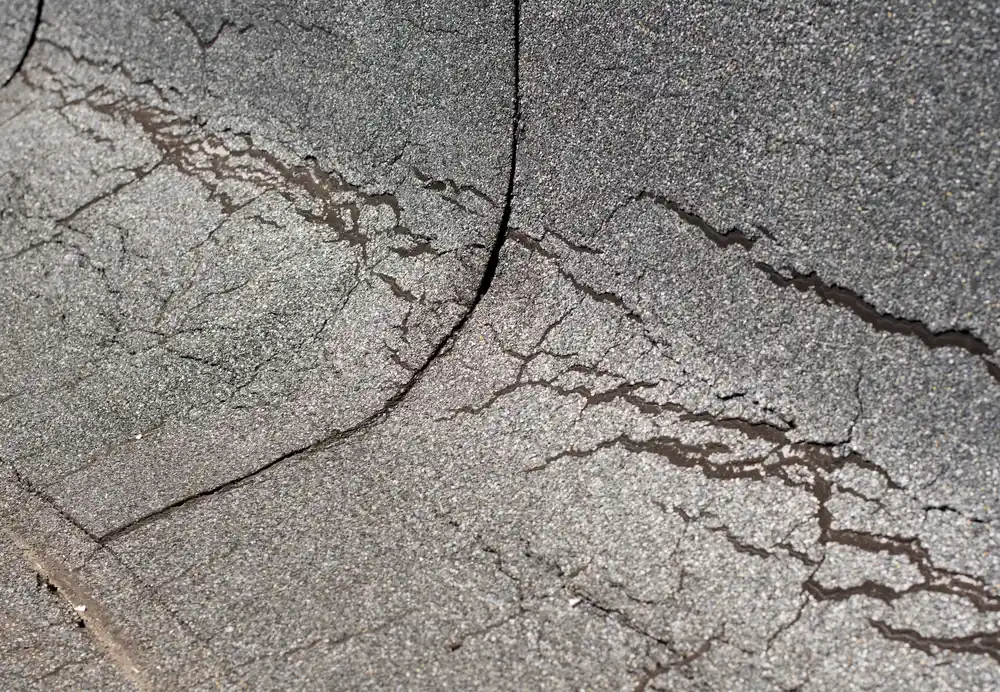
Many commercial roofing issues can be avoided with proactive care. Our preventative maintenance programs are designed to catch small problems before they turn into major repairs. Regular inspections, minor repairs, and drainage checks help extend the lifespan of your roof and reduce unexpected costs. For Denver businesses, maintenance is one of the most cost-effective ways to protect a roofing investment.
Commercial Roof Coatings for Added Protection
Roof coatings provide an additional layer of protection for flat roofing systems. They help improve water resistance, reflect UV rays, and extend the life of existing roofs. For many small commercial properties, roof coatings are a practical solution that enhances performance without the expense of full replacement. We evaluate whether coatings are appropriate based on roof condition and long-term objectives.
Roofing Project Management in Denver
Commercial roofing involves coordination, planning, and accountability. Our roofing project management expertise ensures timelines stay clear, job sites remain organized, and work progresses efficiently. We communicate consistently with property owners and managers so there are no surprises along the way. From initial inspection to final walkthrough, our process is designed to be straightforward and professional.
Why Denver Businesses Choose Quality Roofing Co.
Business owners choose us because we combine experience with a practical, repair-focused mindset. With more than 15 years of experience, we are licensed, insured, and locally based in Denver. We focus on cost-effective, low-maintenance systems that perform well over time. Clear communication, realistic timelines, and dependable workmanship set us apart from larger contractors who often overlook smaller projects.
Commercial Roofing
Services We Offer
Our small commercial roofing services include:
- Commercial roof repair
- Flat roof repair in Denver
- EPDM roofing systems
- TPO roofing systems
- Roof coatings
- Preventative maintenance programs
- Roofing project management
Frequently Asked Questions
Late spring through early fall is the best general window for planned commercial roofing in Denver. Dry weather and mild temperatures make installation easier and help adhesives and coatings cure properly.
We also plan around your business hours, deliveries, and tenant access. The forecast and the roofing product’s requirements determine the actual work dates. Active leaks should be assessed right away rather than left until a more convenient season.
Denver’s sun, temperature swings, and winter moisture put extra stress on commercial roof surfaces, seams, and drainage. On a low-slope roof, keeping water moving toward the drains is especially important.
- Sun: Long-term exposure ages membranes and protective finishes.
- Temperature changes: Expansion and contraction stress seams and flashing around walls and equipment.
- Snow and ice: Blocked drains can leave meltwater on the roof, where it can refreeze.
Routine inspections and drainage checks help catch problems before they affect the space below.
Hail can puncture or fracture a commercial roof’s waterproof covering, while wind can lift roofing or loosen edge flashing. Damage around rooftop equipment and seams can also let water inside.
- Hail impacts: The damage depends on the roofing material, its condition, and the storm.
- Wind uplift: Proper attachment and secure perimeter details help hold the system in place.
- Hidden problems: Storm damage may not produce an immediate leak or be visible from the ground.
After a major storm, an inspection helps identify repairs before the next rainfall reaches your inventory, equipment, or tenant spaces.
Roof size, system choice, and the condition of the existing roof have the biggest effect on cost. Equipment, access, and business scheduling also affect how much labor the project requires.
- Materials: Membrane type, thickness, insulation, and attachment method affect the price.
- Existing damage: Wet insulation and damaged decking add removal and replacement work.
- Drainage and flashing: Correcting low spots and working around equipment require additional detailing.
- Site logistics: Material delivery, disposal, and access restrictions affect project planning.
Your estimate should explain the complete scope and how hidden damage will be handled.
Yes, needed roofing work is a worthwhile investment because it protects your building and helps prevent disruptions to your business. A dependable roof keeps water away from inventory, equipment, and occupied spaces.
That doesn’t mean replacement is always the right investment. A targeted repair or suitable coating can extend the life of a sound roof. We look at its condition and your plans for the property before recommending where to spend your budget.
Companies charge different prices because they include different materials, preparation, and installation work. A quote for a surface coating is very different from one that replaces wet insulation and installs a new membrane.
- System specifications: Compare the membrane, insulation, attachment method, and flashing.
- Included work: Check for removal, disposal, deck repairs, and drainage improvements.
- Project requirements: Access, scheduling, and coordination around rooftop equipment affect labor.
- Warranty: Compare what the manufacturer and contractor actually cover.
Ask each company to explain its scope so you’re comparing the same work, not just the final price.
Repair a commercial roof with isolated damage and sound surrounding materials. Replace it when widespread deterioration or repeated failures make further repairs a poor long-term solution.
A puncture or damaged flashing often has a targeted fix. Extensive wet insulation, failing seams across large areas, or recurring leaks call for a broader assessment. A coating is another option for some roofs, but it won’t fix saturated insulation, structural damage, or inadequate drainage.
Hire a pro for commercial roof installation and substantial repairs. Commercial systems need compatible materials, watertight seams, and careful detailing around drains, walls, and rooftop equipment.
A general-purpose patch can fail to bond or make later repairs more difficult. Roof work also involves fall hazards and coordination with the people using the building. We identify the system, find the source of the problem, and plan the work around your property’s needs.
The main differences are the material, installation method, and condition the existing roof needs to be in. For the low-slope properties we work on, common options include TPO, EPDM, and roof coatings.
- TPO: A single-ply membrane with heat-welded seams, commonly supplied with a reflective surface.
- EPDM: A rubber membrane that uses compatible tapes or adhesives to seal seams.
- Roof coatings: A restoration option for suitable existing roofs after necessary repairs and preparation.
A coating isn’t a substitute for replacing a failed roof. We check the existing materials, moisture condition, and drainage before recommending an option.
The project starts with an inspection and a clear scope, then moves through scheduling, roofing work, and a final check. We coordinate with the owner or property manager to limit disruption to the business.
- Inspect: Check the roof surface, seams, flashing, drainage, and signs of underlying damage.
- Plan: Explain repair or replacement options and provide an estimate.
- Coordinate: Agree on access, deliveries, work areas, and communication with tenants.
- Complete: Carry out the work and address any additional damage uncovered.
- Review: Check the finished work, clean up, and explain maintenance needs.
The roof itself relies on a continuous waterproof covering, sealed details, and adequate drainage to protect the building.
Recurring leaks, water stains, open seams, and persistent ponding water are signs your commercial roof needs attention. Damage around drains and rooftop equipment is another reason to arrange an inspection.
- Inside: New ceiling stains, damp insulation, or leaks after rain and snowmelt.
- Roof surface: Punctures, splits, separated seams, or new blistering.
- Drainage: Blocked outlets or water that remains after surrounding areas have drained.
- Roof details: Loose edge metal or damaged flashing around equipment and walls.
These signs don’t automatically mean replacement. An inspection shows whether the problem is localized or affects more of the system.
Maintenance should be regular; replacement should be based on the roof’s condition. Follow the roofing manufacturer’s inspection schedule and arrange additional checks after significant storms.
During maintenance, we look at seams, flashing, drainage, and areas around equipment so small problems can be addressed early. Replacement becomes necessary when the roof can no longer provide reliable protection through practical repairs. Material type, installation, drainage, and storm exposure all affect that timing.
Putting off needed roofing work increases the risk of water damage, higher repair costs, and disruption to your business. Water can travel beneath the roof covering and damage areas far from the original leak.
- Building damage: Moisture can reach insulation, decking, and interior finishes.
- Business disruption: Leaks can affect inventory, equipment, and occupied work areas.
- Larger repairs: A small damaged section can become a more extensive project if water spreads.
An early inspection helps separate urgent repairs from work you can plan into your maintenance budget.
A Commercial Roofing Partner You Can Trust
Your commercial roof plays a critical role in protecting your business, your tenants, and your investment. At Quality Roofing Co., we approach small commercial roofing with the same care and professionalism we bring to every project. Our focus on flat roofing expertise, preventative maintenance, and long-term durability helps Denver business owners avoid recurring issues and unnecessary costs. If you are looking for a commercial roofing contractor in Denver who values clear communication, dependable timelines, and results that last, our team is ready to help you move forward with confidence.