

Living in Denver, Colorado means enjoying 300 days of sunshine a year, stunning views of the Rocky Mountains, and vibrant city life. However, it also means facing the harsh realities of the region’s weather, especially during storm season. The Front Range is notorious for hailstorms that can sweep through neighborhoods in minutes, leaving behind costly damage. For homeowners, understanding the risks and knowing how to protect their property is essential. In particular, choosing the right roofing materials and knowing how to assess and repair damage can make all the difference.
This guide dives deep into the realities of hail damage roof repair in Denver and explores why Class 4 impact resistant shingles are increasingly popular among Colorado homeowners. We will also walk through how to spot hail damage on roof surfaces and how to choose the best roofing material for Front Range storms.
Understanding Hailstorms in the Denver Area
Denver sits in what meteorologists refer to as “Hail Alley,” a region that stretches across parts of Texas, Oklahoma, Kansas, and Colorado. Hailstorms are particularly common here due to the interaction of warm moist air from the Gulf of Mexico and cool dry air descending from the Rockies. The result is frequent thunderstorms during spring and summer, often accompanied by large hailstones.
These hailstorms are not just a seasonal inconvenience. Colorado ranks consistently among the top five states for hail-related insurance claims. In Denver alone, the damage from a single severe storm can reach tens of millions of dollars. Most of this impact falls on roofs, which take the brunt of falling ice chunks that range in size from marbles to baseballs.
This makes it critical for homeowners to take hail preparedness seriously. Without a resilient roofing system in place, a single storm can lead to leaks, water intrusion, structural decay, and expensive emergency repairs. Investing in durable materials and knowing how to respond after a storm are two of the smartest things any Denver homeowner can do.
How to Spot Hail Damage on Roof Surfaces
Hail damage is not always obvious from the ground. Often, it takes a trained eye to distinguish between cosmetic issues and real structural threats. Still, there are some common signs homeowners can look out for that may indicate the need for professional inspection or hail damage roof repair.
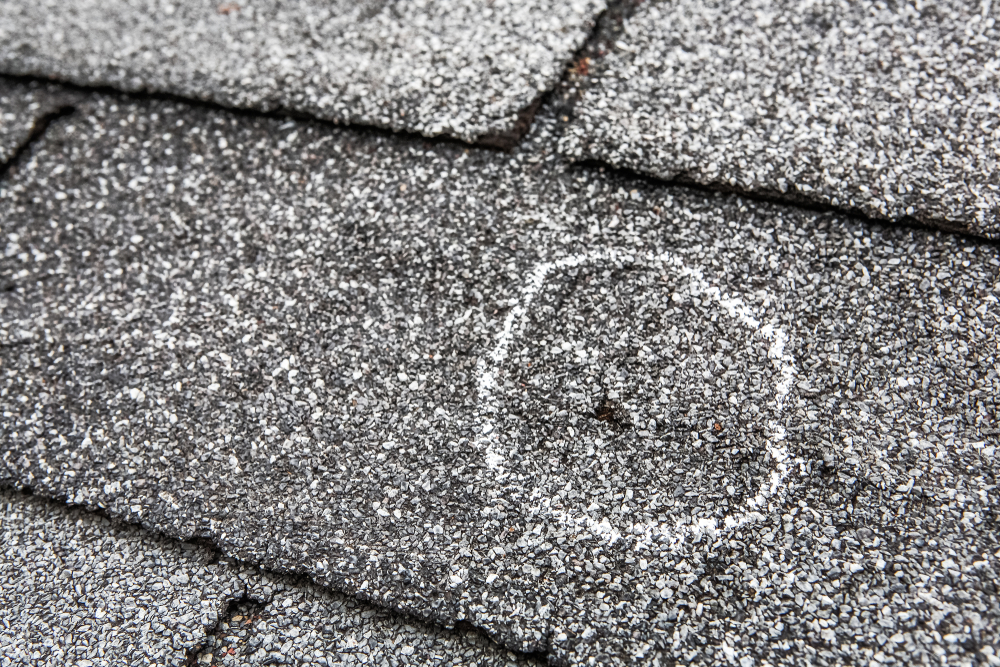
One of the most recognizable signs is bruising or dents on shingles. These marks may not always break through the surface, but they weaken the shingle’s protective layer. Over time, this can lead to cracking, granule loss, and eventual leaks. Granules are the sandpaper-like surface of asphalt shingles. When knocked loose, they expose the underlying mat to UV damage and accelerated wear.
You may also notice cracked shingles, exposed fiberglass, or entire shingles that have been torn away by the wind accompanying hail. Metal flashing, vents, and gutters often show dents or divots after a storm. Soft metal parts of the roof system are useful indicators because they clearly display the impact size and direction of hail.
Inside the home, warning signs include water spots on ceilings, peeling paint, and musty odors, all of which suggest that water has begun infiltrating the roofing system. These symptoms should not be ignored, as they point to damage that could compromise your home’s structure and insulation.
Given the potential costs and risks, it is wise to have a certified roofing contractor in Denver inspect your roof after any significant hailstorm. Prompt action can prevent minor damage from evolving into full-scale replacements or mold remediation.
The Strength of Class 4 Impact Resistant Shingles
In response to the damaging effects of hail, manufacturers have developed roofing materials designed to withstand impact. Among these, Class 4 impact resistant shingles offer the highest rating under the UL 2218 standard, which is the industry benchmark for impact resistance.
To earn a Class 4 rating, shingles must withstand a two-inch steel ball dropped from a height of 20 feet without showing signs of cracking or breaking. This test simulates the effect of large hailstones and demonstrates a product’s ability to resist punctures and surface degradation.
Homeowners in Colorado are increasingly turning to Class 4 shingles because of their performance in the state’s unpredictable climate. These shingles are often made with polymer-modified asphalt, rubberized backing, or composite materials that enhance flexibility and absorption. As a result, they not only offer better protection during a storm but also tend to last longer in general.
In many cases, installing Class 4 shingles can also lead to discounts on homeowners insurance. Insurers recognize the reduced risk and may offer lower premiums to those who invest in impact-resistant systems. Some municipalities in Colorado even provide rebates or incentives for homeowners who upgrade their roofing materials to meet this standard.
Though Class 4 shingles tend to be more expensive upfront than standard asphalt options, the return on investment comes through longer life spans, lower repair costs, and peace of mind during storm season.
Comparing Roofing Materials for Colorado’s Front Range
Choosing the best roofing material for Front Range storms depends on several factors including cost, durability, aesthetic appeal, and local weather performance. Standard three-tab asphalt shingles, while affordable, do not provide the level of protection required for Colorado’s hail-prone climate. They are more likely to crack, lose granules, or detach during storms.
Architectural or laminated shingles offer slightly more durability, but still fall short in extreme conditions. Tile and slate roofs are known for their longevity but can be brittle and prone to cracking from direct hail impact, especially if not properly reinforced.
Metal roofing systems have gained popularity in Denver for their sleek look and strong resistance to hail. However, they are not immune to cosmetic damage such as denting, which may not affect performance but can reduce home value and curb appeal.
Class 4 impact resistant shingles stand out as one of the best all-around solutions for homes in the region. They combine the familiar look of traditional shingles with advanced materials capable of withstanding even large hailstones. Some premium brands also offer algae resistance, UV protection, and extended warranties.
When selecting a roofing material, it’s important to consult with local contractors who understand Denver’s climate. An experienced roofer will consider roof pitch, wind exposure, building codes, and your budget before recommending the most appropriate option.
Working With Denver Roofing Professionals
After a hailstorm, time is of the essence. Waiting too long to address roof damage can lead to secondary issues such as mold, insulation damage, or electrical problems. Fortunately, many roofing companies in Denver specialize in hail damage roof repair and can guide homeowners through the insurance claim process.
Look for licensed and insured contractors with experience installing Class 4 impact resistant shingles. Check reviews, ask for references, and be cautious of storm chasers who often descend on neighborhoods after major events. These out-of-state contractors may offer quick fixes but lack the accountability and local knowledge needed for long-term roofing success.
A reputable Denver roofing contractor will start with a full inspection, document damage thoroughly, and provide a detailed repair estimate. They should also assist with filing insurance claims, ensuring you receive fair compensation for the necessary repairs or replacement.
Even if your roof appears intact, scheduling a professional inspection after hail events is a wise preventative measure. Many forms of damage are invisible to the untrained eye and may only surface after months of water infiltration.
Conclusion
Denver homeowners face a unique set of challenges when it comes to protecting their roofs from hail. Understanding how to spot hail damage on roof surfaces, investing in Class 4 impact resistant shingles, and working with experienced local professionals can dramatically reduce repair costs and stress over time.
While no roofing system is completely invulnerable, making smart choices about materials and maintenance puts you in the best possible position when storms roll in. With Colorado’s weather growing more unpredictable, now is the time to evaluate your roof and ensure it is equipped to handle the next hail season.
Your home is your most valuable asset. Protect it with the best roofing material for Front Range storms, and you’ll be safeguarding not only your investment but also your peace of mind.
Need a Trusted Roofing Contractor Near You?
At Quality Roofing Co., we’re proud to bring over 15 years of trusted roofing experience to homeowners and businesses across Denver, CO. From quick roof repairs and shingle work to full roof replacements and advanced flat roofing systems, our team delivers durable, detail-driven results you can count on. We’re committed to your satisfaction every step of the way, whether you’re dealing with an unexpected roofing emergency or planning a major renovation. Reach out to us today and let us protect your property with the dependable craftsmanship you deserve.